


Business Africa

In this edition of Business Africa, the spotlight is on the economic crisis gripping Senegal.
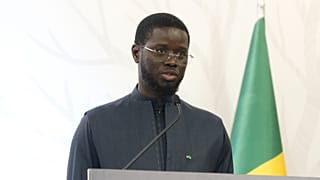
Carried to power by a wave of hope in 2024, Bassirou Diomaye Faye and Ousmane Sonko made economic sovereignty, institutional reform, and transparent governance the cornerstones of their political agenda. But the harsh realities of economic restructuring have quickly put that momentum to the test.
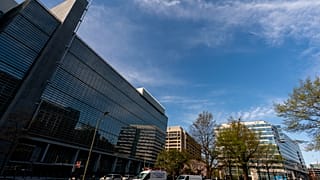
Faced with the threat of default and weighed down by a massive debt burden, a new government has been formed with a priority mission: reopening negotiations with the International Monetary Fund (IMF). Senegal has already announced its intention to reach an agreement with the Bretton Woods institution before June 30.
Our guest today, Abdoulaye Ndiaye, who was named Best Young African Economist at the latest Africa CEO Forum in Kigali, outlines three key reforms that could help pull Senegal out of the crisis and prevent it from escalating into something far more serious.
In the second half of the programme, we turn our attention to the strategic Port of Lomé, before taking a closer look at a digital tablet developed by Seamless Service Terminal—an innovative tool designed to bring essential services within reach of communities that are too often left behind.

01:46
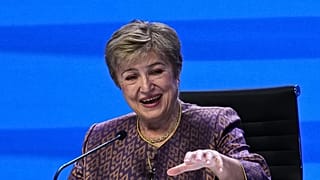
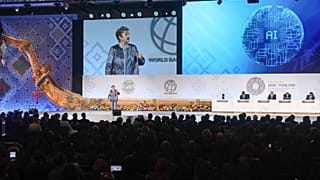
IMF annual meeting: Developing nations need greater digital connectivity
01:09
IMF raises Africa growth outlook, warns of shrinking aid
01:00
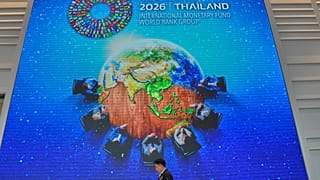
Thailand: Bangkok protesters decry IMF and World Bank, warn of destructive capitalism
01:30
African debt crisis deepens ahead of IMF economic outlook report
01:09
Human Rights Watch warns of LGBTQ+ crackdown in Senegal as arrests rise
00:42
IMF-World Bank meetings kick off in Thailand with energy shock, AI on agenda