



Cameroon
The World Trade Organization’s 166 members opened a key ministerial conference in Cameroon’s capital on Thursday, sharply divided over the future of the institution as geopolitical tensions, protectionism and the fallout from the Middle East war cast a shadow over global trade.
A Western diplomatic source described the mood ahead of the meeting as “tense”, reflecting wider fractures within the global trading system.
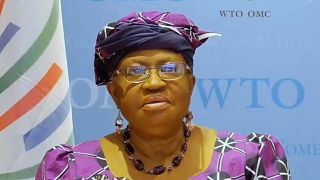
WTO Director‑General Ngozi Okonjo‑Iweala urged members to “launch the next chapter of the multilateral trading system”, criticising “the unilateralism we have been seeing” and a “collective failure” to address long‑standing frustrations.
Reform stalemate
With the WTO’s dispute settlement system paralysed since 2019 and consensus‑based decision‑making often stalling progress, many members acknowledge reform is urgent.
European Trade Commissioner Maroš Šefčovič called for “serious” reform to better tackle overcapacity and market policies. Britain warned the WTO “will slide into irrelevance” without change.
But divisions run deep. The United States, under President Donald Trump, has challenged the “most‑favoured nation” principle, while China insists it must remain the bedrock.
Experts doubt any breakthrough will be reached in Yaoundé on the core reform issues.
High stakes
Former WTO chief Pascal Lamy said the conference would test whether the organisation still has a role in reducing trade barriers at a time when many are raising them.
With previous ministerial meetings failing to deliver on key issues, Yaoundé is seen as a pivotal moment for the WTO’s relevance.
01:17
Taiwan skips WTO meeting after Cameroon labels it ‘Province of China’
01:09
Pope Leo XIV to make historic Africa tour of four nations in April
00:52
Workers at Kenya's main airport call off strike after two days of disruption
11:17
Eco-charcoal gains traction as a cleaner, cheaper alternative to firewood {Business Africa}
01:05
Morocco coach rejects allegations of AFCON refs bias for the host team
01:00
Protests erupt in La Paz over Bolivia's fuel subsidy cuts