


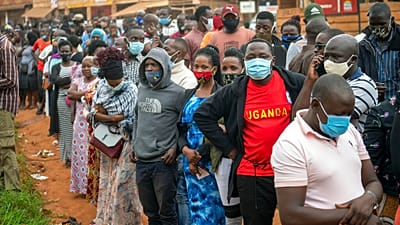

Uganda
Uganda has denied plans to shut down internet access during next week’s elections, dismissing reports of a possible blackout as unfounded.
Concerns were raised by the main opposition candidate, Robert Kyagulanyi , widely known as Bobi Wine, who last week repeated claims that the government intended to block the internet to disrupt mobilisation and the sharing of election results.
The fears intensified on Friday after satellite internet provider Starlink restricted its services in Uganda, following a directive from the national communications regulator.
Uganda goes to the polls on 15 January, with President Yoweri Museveni seeking to extend his rule, now approaching four decades. His main challenger is Bobi Wine, a former pop star turned politician. The election follows the 2021 vote, which was marred by protests, dozens of deaths, and a four-day nationwide internet shutdown.
The Uganda Communications Commission (UCC) said there was no plan to cut internet access. Its executive director, Nyombi Thembo, told Capital FM that reports of an impending blackout were “mere rumours” and said the commission’s mandate was to ensure uninterrupted connectivity.
Similar assurances were given by Amina Zawedde, the most senior official at the Ministry of Communications and National Guidance. She said the government had not announced or implemented any decision to shut down the internet during the election period, describing the reports as false and misleading.
Zawedde also warned against the spread of false or inflammatory content online, stressing that digital platforms were subject to the law. She said the Computer Misuse Act applied fully to online activity, including the publication of false information and offensive material.
She added that only the Electoral Commission was authorised to declare election results, and that broadcasting unverified or premature results was illegal.
Despite these assurances, Bobi Wine’s National Unity Platform (NUP) says it is preparing for a possible shutdown. The party has launched an offline vote-monitoring app, Bitchart, which uses Bluetooth technology to share images of polling station result forms and voting data without internet access.
In a New Year address, Bobi Wine said past elections showed the risk of an internet blackout aimed at preventing citizens from communicating, verifying results, and holding authorities to account.
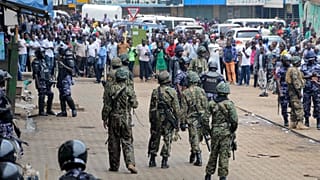
Political tensions remain high. Amnesty International has accused Ugandan security forces of using torture and arbitrary arrests to intimidate opposition supporters, alleging beatings and tear gas attacks against NUP backers.
President Museveni first came to power in 1986 after his rebel forces captured the capital, Kampala. He has since won six elections, amid repeated opposition allegations of fraud and intimidation , claims the government has consistently denied.



Go to video
Armed group killS 33 in fresh simultaneous attacks in Nigeria
01:14
651 arrested in Africa-wide crackdown on online scam networks
Go to video
UN probe finds evidence of genocide in Darfur city of El-Fasher
Go to video
Nigeria probes Temu over alleged data privacy breaches
01:50
Libya grants foreign oil companies exploration licences
01:56
AI adoption rises in governments, but citizen satisfaction lags