



Central African Republic
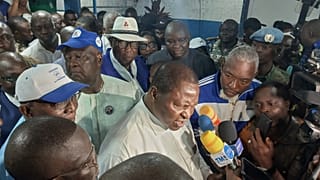
Central African Republic’s President Faustin-Archange Touadéra has been re-elected to a third term, according to provisional results.
Touadéra won more than 76 percent of the vote, the electoral authority said, while his opponent Anicet-Georges Dologuele came second with 15 percent. Henri-Marie Dondra was third with three percent.
Touadéra ran on a platform of steadying the nation by bringing warring groups to the table:
“Everyone knows that I am leading a policy of outreach here. Our country has suffered too much and needs all its sons to come together so that we can build. You see, I have reached out to armed groups and continue to do so, and peace is returning because of this willingness to engage in dialogue. I will keep doing this because, as the Central Africans trusted me on 28 December, I will continue this policy of reaching out and working with all my fellow citizens who wish to do so.”
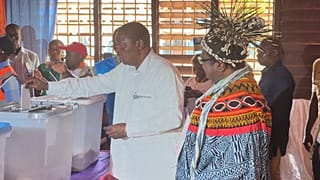
Some 2.4 million Central African Republic citizens were registered to vote in a first-of-its-kind election in the country, where citizens voted simultaneously for all tiers of government, including presidential, legislative, regional and municipal seats. Turnout was around 52 percent.
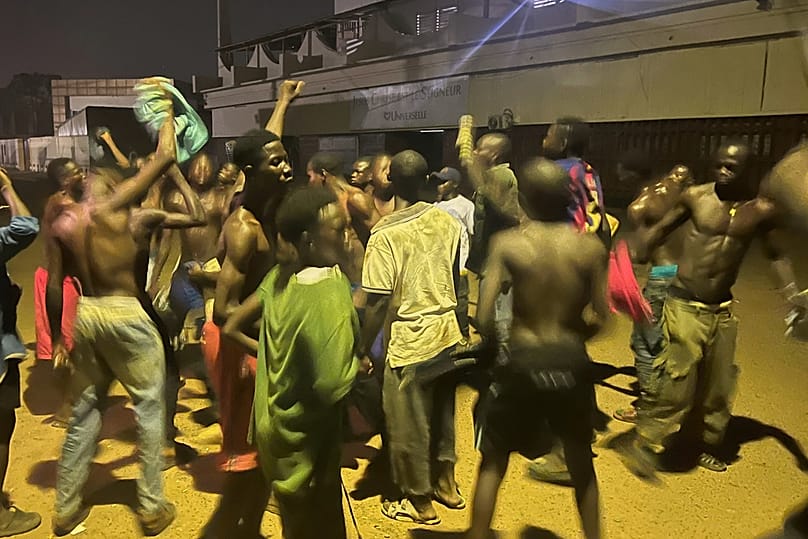
Touadéra’s supporters celebrated his win but opponents have called the vote a sham. Two opposition candidates have already contested the results, citing instances of alleged malpractice by the National Elections Authority and widespread fraud.
On Friday, Dologuele claimed victory, alleging polls had been marred by major irregularities. Touadéra's office has dismissed the claims and warned of the risk of "unrest."
African Union observers said last week that the elections had gone ahead peacefully.
Final results will be announced in later this month after the review of any appeals.
Consolidated power
Analysts say Touadéra has consolidated power within state institutions.
The country has been embroiled in conflict since 2013 after mostly Muslim rebels seized power and forced then-President François Bozizé out of office. The conflict was de-escalated by a 2019 peace deal between the government and 14 armed groups. Six of the 14 groups later withdrew from the agreement.
The Central African Republic is one of the countries where Wagner, a Russian mercenary group, was first active in Africa. The group has been responsible for Touadéra's security, but tensions have grown between Touadéra and Russia after Moscow demanded that Wagner be replaced with the Russian government-run African Corps.
Regional power Rwanda also plays an influential role in the country.
Security issues ranked high among voters’ concerns in the election, even though the crisis has dwindled. The United Nations peacekeeping mission MINUSCA, which has been present in the country since 2014, is facing a drawdown due to financial constraints.
Go to video
African Union adopts resolution calling slavery and colonialism genocide
01:01
African Union holds summit: is it ignoring the real issues?
00:59
Egyptian troops take part in training ahead of AU deployment in Somalia
01:05
Senegal and Egypt's top diplomats discuss strengthening bilateral relations
00:06
Angola's President João Lourenço makes new push for peace in eastern DRC
01:02
African Union condemns attacks 'heinous' attacks in Niger and vows support