



Nigeria
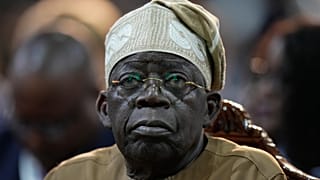
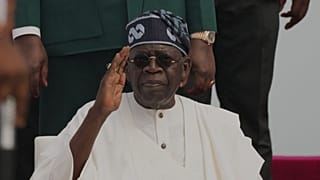
Nigeria's president has set a target of 7% annual economic growth, aiming to lift the country out of its financial struggles. In the first quarter, Nigeria's economy grew by 3.13%, a figure boosted by a rebasing of its gross domestic product (GDP).
This exercise increased the GDP size to $243.55 billion, but the growth rate was slower than expected. While addressing the federal cabinet, President Tinubu stated that the reforms implemented have strengthened macroeconomic stability and boosted investor confidence.
However, he noted that low public savings remain a constraint on growth. Critics of the president argue that he has not met the expectations that propelled him to power 14 years ago.
They highlight Nigeria's severe security crises in the conflict-affected north and the failing economy, which was once ranked as Africa's largest but is projected to fall to fourth place this year, according to the International Monetary Fund.
Tinubu's economic reforms, which include the suspension of long-standing and costly gas subsidies and measures taken by the central bank—such as currency devaluations aimed at stabilizing the foreign exchange rate—were intended to save the government money and attract foreign investments.
However, analysts point out that poor implementation of these reforms has significantly impacted prices across the board, particularly due to the lack of adequate and timely support programs.

01:06
Nigeria: Religious leaders unite for social peace in West Africa
01:09
South Africa: Beauty Queen Chidimma Adetshina fights deportation
02:21
The Nigerian fishing community being eaten up by the Atlantic
02:13
Nigeria's rescued kidnap victims face physical and psychological toll
11:19
Decoding Nigeria’s crypto shift and transforming diaspora cash into capital {Business Africa}
01:01
Nigeria: More than 300 kidnapping victims rescued in major operation