



Refugees
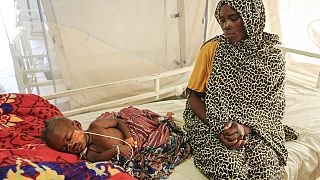
A silent but alarming crisis is unfolding at the Kiryandongo refugee camp in Uganda.
The worsening mental health of refugees, exacerbated by harsh living conditions and past traumas, has led to a troubling rise in suicides. According to a United Nations survey, 41 suicides were recorded between January and October 2024, along with over 130 attempts.
The Invisible Scars of Past Traumas
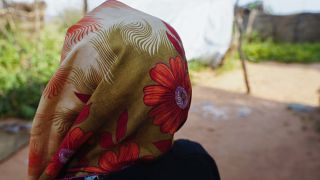
Soumaya Ezeldeen Mahmoud, a Sudanese refugee who fled bombings in her home country, speaks about the lingering impact of her experience. Her words reveal profound suffering:
“Even in my sleep, I dream of bombs pounding the city, and I wake up in a panic because I’m so scared…” she shares, mimicking the sound of bombings.
Her testimony highlights the psychological distress many refugees endure, often plagued by traumatic memories that disrupt their daily lives.
Inadequate Support Systems Amid Overwhelming Needs
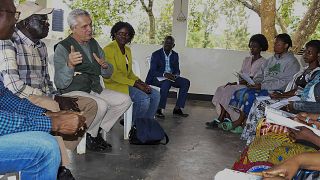
Cliff Alvarico, the United Nations High Commissioner for Refugees (UNHCR) representative at the Kiryandongo camp, laments the insufficiency of mental health resources. Despite the existence of psychosocial support programs, the resources fall woefully short of the demand.
“We have new arrivals who have gone through traumatic experiences. Some even suffer from post-traumatic stress disorder, requiring more specialized care,” he explains.
Uganda, which hosts over 1.7 million refugees, faces unprecedented humanitarian challenges. Already under strain, local healthcare infrastructure struggles to meet the growing demand for psychological care. Severe cases can be referred to specialized hospitals, but the prohibitive costs often make this option inaccessible to most refugees.
A Call for International Mobilization
Despite the lack of resources, dedicated volunteers strive to support refugees. They play a crucial role in alleviating suffering, breaking isolation, and preventing further tragedies. However, individual efforts alone cannot fill the gap left by the absence of strong institutional support.
The UNHCR is making an urgent appeal to governments, the private sector, and international donors to bolster funding for mental health programs. Without substantial assistance, it will be impossible to establish effective systems to identify and support vulnerable individuals.


01:00
In quake-hit Cali, ‘hugs here’ station brings comfort amid rubble
02:15
Philippines capital hosts a centre to train priests and clergy in exorcism
01:52
Refugee teacher fights to keep education alive for children displaced by Sudan's war
02:23
How haircuts are helping men recover at a Kenyan mental health hospital
02:03
As drug use increases in Burundi, a centre helps addicts recover
01:14
Libya's eastern government bans entry for nationals of four countries