



Central African Republic
A new UNAIDS data report reveals that 30.7 million people living with HIV are now on treatment.
The public health achievement has also seen AIDS-related deaths halved since 2010 to reach 630,000 in 2023.
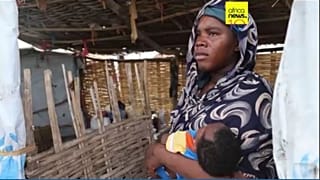
However, challenges persist. At a sexual health center for the youth, in Bagui, Central African Republic young women and men discuss way to prevent the transmission of the disease.
As an educator, Gniwali answers questions and distributes medication.
“I am an orphan, I was the only one (out of three siblings) to take treatment every day and I took the treatment without stopping. I live with the HIV virus and this since I was born.”
The 2025 target of 250,000 AIDS-related deaths is still far. And there were still an estimated 1.3 million new HIV infections in 2023. Approximately half of the people who acquired HIV last year were living in eastern and southern Africa (35%) and western and central Africa (15%).
In the CAR, women are even more vulnerable, the UNAIDS country director says.
“Gender inequality and gender-based violence have left women in Central African Republic more vulnerable to HIV, statistics show that among people aged 20-24 years," Chris Fontaine explains.
Efforts to end AIDS in children continue need to be rampped up.
Little more than half (57%) of children aged 0-14 years old on HIV treatment. Last year around 120,000 children aged 0-14 years old became infected with HIV, while AIDS-related deaths among children reached 76,000.
HIV is preventable and treatable – no one should die from this disease.






01:14
Defence team for former CAR president Bozizé accuse court of procedural irregularities
Go to video
UNAids warns US funding cut could cost lives in South Africa
02:12
Ebola: Health workers battle virus and stigma
02:16
MSF warns of 'dangerous gaps' in Ebola response in DR Congo
00:52
DR Congo’s Ebola outbreak tops 800 cases as death toll reaches 192
01:10
Sources say women who fled Iran to be deport from US to Central African Republic