



Zimbabwe
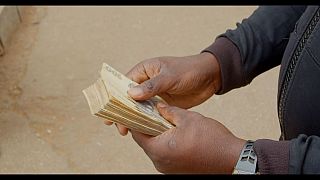
Zimbabwe on Friday launched a new currency to replace its previous one that in recent months has been battered by depreciation, and in some instances rejection by the population. Authorities hope the new measure will halt a currency crisis underlining the country’s yearslong economic troubles.
Reserve Bank of Zimbabwe Gov. John Mushayavanhu said the new currency will be called ZiG, and will be anchored on gold reserves and a basket of foreign currencies. It goes into effect on Monday.
The Zimbabwe dollar has come under sustained pressure in recent weeks, making it one of the world’s worst performing currencies.
Since January, the Zimbabwe dollar lost over 70% of its value on the official market, and was plunging even further on the thriving but illegal black market.
Inflation increased from 26.5% in December last year to 34.8% this January before spiking to 55.3% in March, according to official figures.
Traders were increasingly rejecting lower denominations of the now scrapped currency, with many insisting on payment only in U.S. dollars, which are also legal tender in the southern African country.
“We are doing what we are doing to ensure that our local currency does not die. We were already in a situation where almost 85% of the transactions are being conducted in U.S dollars,” Mushayavanhu told reporters in the capital, Harare. People have three weeks to exchange the old notes with the new currency, he said.
Friday’s announcement is the latest of a cocktail of currency measures undertaken by the Zimbabwean government since the initial spectacular collapse of the Zimbabwe dollar in 2009.
The period saw the country at one point issuing a 100 trillion Zimbabwe dollar banknote before the government was forced to temporarily scrap its currency and allow the U.S. dollar to be used as legal tender.
The country re-introduced a domestic note in 2016, marking the beginning of another round of currency volatility highlighted by changes to currency policy that included the banning of foreign currencies such as the U.S dollar for domestic transactions in 2019.
This was followed by the unbanning of the greenback a while later after few ordinary people took heed to the U.S dollar ban and the black market thrived, while the local currency quickly depreciated.






01:50
Dangote IPO draws interest from Nigerians keen to invest
01:01
BRICS member states look to technology to help strengthen trade ties
00:52
Kenya temporary amnesty eases fears among East African migrants
00:53
US Treasury issues $1 coin with Trump's face on it
02:15
Drivers 'shocked' as Uber exits Nigeria, Uganda with competition, costs rising
01:49
Disappointment as Ivory Coast keeps cocoa price unchanged