



Sudan
The U.N. Security Council urged Sudan’s warring parties on Friday to immediately halt hostilities during the Muslim holy month of Ramadan and allow aid to get to 25 million people in desperate need of food and other assistance.
Ramadan is expected to begin on or around Monday, depending on the sighting of the crescent moon.
The 15-member council voted overwhelmingly in favor of the British-drafted resolution, with 14 countries in support and only Russia abstaining.
Sudan plunged into chaos in April, when long-simmering tensions between its military, led by Gen. Abdel Fattah Burhan, and the Rapid Support Forces paramilitary commanded by Mohammed Hamdan Dagalo broke out into street battles in the capital, Khartoum.
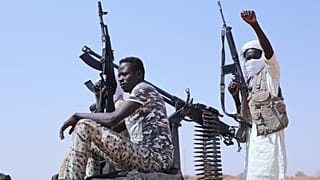
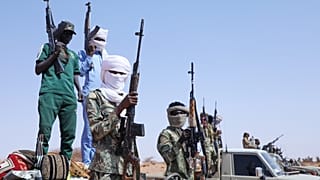
Fighting spread to other parts of the country, especially urban areas, but in Sudan’s western Darfur region it took on a different form, with brutal attacks by the Arab-dominated Rapid Support Forces on ethnic African civilians. Thousands of people have been killed.
U.N. Secretary-General Antonio Guterres urged both sides on Thursday to support a Ramadan cease-fire, warning that the nearly year-long conflict threatens the country’s unity and “could ignite regional instability of dramatic proportions.” The African Union also backed a halt to fighting during Ramadan.
Burhan welcomed the U.N. chief’s appeal, but the Sudanese Foreign Ministry issued a statement on Friday listing a number of conditions for a cease-fire to be effective. The Rapid Support Forces have not responded.
The resolution expresses “grave concern over the spreading violence and the catastrophic and deteriorating humanitarian situation, including crisis levels, or worse, of acute food insecurity, particularly in Darfur.”
Britain’s deputy U.N. ambassador James Kariuki urged the Sudanese armed forces and Rapid Support Forces “to act on this united international call for peace and to silence the guns.”
The Security Council urged the warring parties “to seek a sustainable resolution to the conflict through dialogue,” and Kariuki called on the two sides to build trust and work to restore peace.
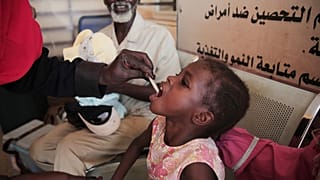
According to the U.N. humanitarian office, 8.3 million people have been forcibly displaced by fighting between government and paramilitary forces, half of the country’s 51 million people need aid, and 70% to 80% of health facilities aren’t functioning.
02:01
Sudan’s economic crisis deepens as prices soar and wages collapse
00:57
UN creates international day for elimination of child marriage
01:47
UN General Assembly adopts new world map that shows Africa's true size
01:05
Opposition urges African Union to intervene in Zambia's disputed election
Go to video
South Sudan: Two UN peacekeepers killed, seven injured
01:05
Regional body says Haiti need help ahead of holding first election in a decade