



Morocco
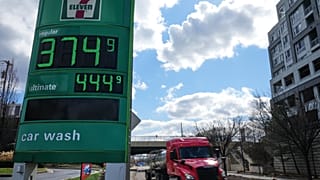
The rising cost of fuel is beginning to be felt in Morocco due to the ongoing fighting in the Middle East that has led to the closure of the Strait of Hormuz.
In the streets of Rabat, the Moroccan capital, and nearby areas, residents react to the surge in fuel prices, saying they now have to pay more for gas, which has directly impacted the cost of goods and services in the North African country.
Diesel and gasoline have each gone up by 0.25 dirhams per litre this week, after some distributors began applying new rates, putting additional pressure on drivers and transport operators.
In response, the Moroccan government has announced exceptional financial support for road transport professionals in both the goods and passenger sectors, saying it wants to cushion the blow of higher fuel costs.
This targeted aid will go to operators such as bus companies, taxi drivers and freight hauliers, in an effort to limit the knock-on effects of fuel price hikes on the wider Moroccan market.
All of this comes as global energy markets are rattled by the widening conflict involving Iran, the United States and Israel, sending shockwaves through supply routes and prices.




01:50
Morocco marks anniversary of Western Sahara occupation as UN mission ends
02:19
Museum focused on Jewish Moroccan heritage opens in Fez
01:04
Morocco say it remains committed to Western Sahara ceasefire as peacekeeping mission ends
01:09
Iran's leaders say midterm results show voters have rejected Trump's war
01:05
Egyptian president calls Iran, US to resolve conflict
02:18
UN peacekeeping mission in Western Sahara ends after 35 years