



Kenya
Kenya is facing a backlash over the visa-free entry policy introduced for all foreigners this month, with some terming it "hectic".
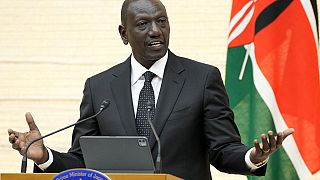
President William Ruto announced the policy last month to advocate for a visa-free travel within the African continent.
Kenyan authorities have since clarified that while the country grants visa-free entry, visitors need to apply for electronic travel authorisation (ETA) by submitting documentation and paying a $30 (£23) processing fee.
The requirement also applies to countries whose citizens previously had unrestricted access to Kenya.
By Sunday, Kenya had received more than 9,000 visa applications through the digital platform, authorities said.
But some foreigners are now criticising the government, saying that the new policy has created confusion and made travel to Kenya tougher and costlier.
"Dear Africans, Kenya is not telling the world the truth when it says that it is now visa free, it is not! It has in fact made travelling there more difficult for Africans who didn’t need a visa before," prominent Zimbabwean journalist Hopewell Chin'ono said on X.
"So until 24 hours ago, as a Malawian, I could just wake up, buy a ticket and fly to Kenya in the afternoon, visa free. Now Kenya has 'removed visa' for everyone visiting Kenya, but now everyone has to pay $30 travel authorization fee 72 hours before travel. What? Hectic," Malawian entrepreneur Jones Ntaukira shared on X.
Some Kenyans have voiced fears that the tougher restrictions could trigger a boycott by some foreigners or that other countries could impose reciprocal restrictions.







00:51
British Airways returns to Tanzania after 13-year pause
02:03
US again denies Palestinian leader Abbas visa to attend UN assembly
01:45
Kenyans weigh AI's promise and risks as technology transforms jobs
01:09
US imposes targeted visa restrictions on South Africans over land and race policies
01:00
Robot valet parking at Gatwick Airport promises safer, easier long‑stay car storage
01:51
Kenyan FM says move to regularise status of foreign workers not 'discriminatory'