




Somalia
The Somali government on Sunday ordered a ban on TikTok, Telegram and an online betting site, claiming that these platforms were being used by "terrorists" for propaganda purposes.
The decision comes ahead of the second phase of the military offensive against the radical Islamist Shebab, who have been waging a bloody insurrection against the central government in Mogadishu for more than 15 years.
In its statement, the Ministry of Communication and Technology said it had ordered internet providers to cut off access to the three platforms by 24 August, failing which legal action would be taken, the nature of which was not specified.
According to the ministry, TikTok, Telegram and the 1XBET site are used by "terrorists" and "groups spreading immorality" to "disseminate violent images and videos and mislead public opinion".
According to the ministry, banning them will "speed up the war (...) against the terrorists who have spilled the blood of the people of Somalia".
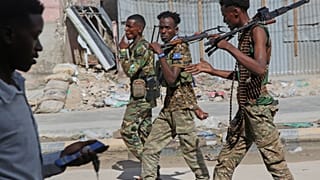
Since August 2022, the Somali army has been engaged in an offensive against the Shebab, a group affiliated to al-Qaeda, alongside local clan militias and with the support of African Union troops and American air strikes.
Shebab fighters were driven out of Mogadishu in 2011, but they remain firmly entrenched in vast rural areas, from where they continue to carry out attacks against security and civilian targets.
Somali President Hassan Sheikh Mohamoud has pledged to rid the country of Islamist militias and could shortly announce the second phase of the military offensive against the Shebab in the south of the country.





10:00
Cameroon: Thousands flee the Far North after Boko Haram attack [Africanews Today]
Go to video
Nigeria arrests Mexican national as authorities uncover suspected meth lab
02:01
Somalia seeks new shipping routes as regional tensions disrupt trade
Go to video
Uganda's Tooro kingdom succession disputed after death of King Oyo
01:03
Somalia: Fighting breaks out on outskirts of Baidoa
Go to video
Madagascar ex-Senate president sentenced to 10 years over protest crackdown