



Nigeria
The European Union (EU) observers have released a final report on Nigeria's recent elections, revealing significant problems that undermined public trust in the electoral processes.
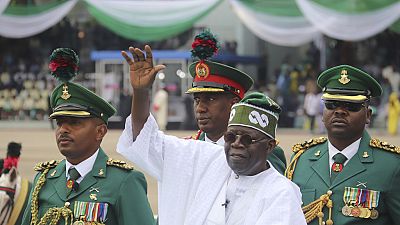
The report emphasizes the need for reforms to enhance transparency and accountability in future elections. President Bola Tinubu emerged as the winner of the disputed February vote, which is currently being challenged in court by his main rivals.
The EU mission identified six priority areas for improvement, including clarifying electoral laws, ensuring real-time publication and access to results, and cracking down on electoral offenses.
The report also points out that shortcomings in law and administration negatively impacted the conduct of well-run and inclusive elections, damaging trust in the Independent National Electoral Commission (INEC).
The low voter turnout during the February vote, the lowest since the end of military rule in 1999, further highlighted the erosion of trust. The INEC, however, was not immediately available for comment.
While an INEC spokesman cited a system glitch as the reason for the delayed upload of presidential election results, the EU mission report was deemed "unfair" by the spokesperson in a statement made to local TV.



01:04
Sierra Leone ex-president Koroma returns after treason case dropped
01:31
Five EU nations aim to send rejected asylum applicants to 'return hubs' by 2027
02:15
Drivers 'shocked' as Uber exits Nigeria, Uganda with competition, costs rising
Go to video
Madagascar ex-Senate president sentenced to 10 years over protest crackdown
Go to video
Nigeria confirms planned withdrawal of US troops sent to help tackle insecurity crisis
02:20
Gaani festival celebrates history of resilient peoples united by shared history