



South Africa
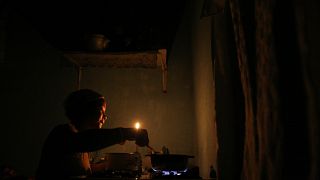
In South Africa, electricty load-shedding forces companies to scale back just as the country was recovering from the Covid-19 health crisis.Cities such as Johanesburg struggle with an overburdened power grid and failing infrastructures.
2022 has been one of the worst years for South Africans in terms of power cuts. The country was prey to more than 200 days of load shedding as state-owned Eskom, which supplies more than 90% of the country's electricity, failed to produce enough power.
After a lull over Christmas, power cuts are slowly resuming.
The downturn is due to ill-managed ageing coal-fired power stations that regularly breakdown.
In addition, these blackouts are having a direct impact on the economy and growth, just as the country was recovering from the Covid-19 health crisis.
Many companies, such as KFC have been forced to scale back due to the load shedding.
In Johannesburg, electricity cuts in combination with the persistent rain has the city struggling with an overburdened grid and failing infrastructure. The eastern cape has also witnessed high volumes of electricity interruptions.
The department of mineral resources and energy signed 13 new power generation agreements to bring close to 1 800 megawatts online over the next few years in an attempt to remedy the current energy crisis.




01:00
Protests erupt in Havana as Cuba faces severe fuel shortages
01:10
Cameroon approves renationalisation of main electricity provider
01:50
Crowds in South Africa protest against illegal immigration
01:30
South Africa court orders deportation of Mugabe's son in shooting case
01:13
South Africa suspends police chief over corruption case
01:14
South Africa could see first winter without power cuts in years