



Tunisia
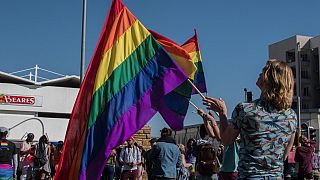
The director of DAMJ, an organisation that defends the rights of LGBTQ people, claims that he was violently attacked by police officers who beat him up and took all his belongings.
Since then, Baabou has lodged a complaint but says he is yet to receive any official communication from the police.
This is not the first time I have been attacked by a policeman, but I was really surprised because the attack was really horrifying, it was very violent and it was really direct. And they wanted to hurt me. They were aiming at my head and neck," he said.
Badr Baabou said unidentified individuals had broken into his home four times since 2018, stealing electronic devices, including his personal and work laptops.
"I would say that life for an LGBT person in Tunisia is a daily struggle. It's a fight every day. We experience violence from the law, violence from the family, a legal violence, social violence and symbolic violence. LGBT people do not have space in the law so they cannot find their space in society. They are always on the margins of society."
In the North African country, homosexual activity remains a criminal offence punishable by up to three years in prison.
Rasha Younes, researcher with the (LGBT) programme at Human Rights Watch, reacted to the attack: "The (police) attacks have been ongoing, but they have taken shape in a public and direct way and then explicitly silenced activists."
Same-sex sexual activity is also illegal in most countries in the Middle East and North Africa region.
02:12
Series of femicides shocks South Africa, highlights crime levels
Go to video
South African sports broadcaster Owen Ndlovu found dead after hijacking
01:59
South Africa: Commission begins probe into alleged links between politics and crime
02:06
South African police issue alert after seventh woman's body found near Johannesburg
01:18
Tunisian journalists protest after arrest of reporter
01:35
Tunisia: Court starts final hearing in mass trial of opposition figures