



Rwanda
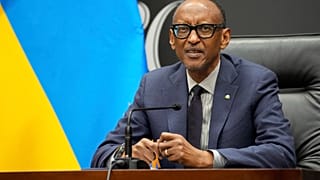
Rwandan authorities have welcomed a decision by a French court to reject a bid to reopen an investigation into the assassination of Rwanda’s president in 1994.
This assassination ignited a 100-day genocide that led to the killing of 800,000 people. Nine people close to President Paul Kagame were prosecuted in connection with this case, poisoning relations between Kigali and Paris.
“It is quite obvious that, at the diplomatic level, relations between the two countries should be normalized. And then to have a diplomacy that works, because history teaches us a lesson, but we are not locked in the past. The past helps us to learn lessons, but to build a better present and a better future for the citizens of our two countries. That is what we want”, Jean Damascène Bizimana, Executive Secretary of National Commission for the Fight against Genocide said.
Following the decision by the Paris Court of Appeals, lawyers for the families of the victims of this attack on President Juvenal Habyarimana’s plane immediately announced an appeal at the Supreme Court.
The appeals court in Paris had been requested to revisit a 2018 decision to throw out an investigation against nine former members of incumbent Rwandan President Paul Kagame’s entourage.
After six months of deliberations, it handed down a 64-page judgment Friday confirming that decision.
A plane carrying Habyarimana, from Rwanda’s Hutu majority, was shot down in Kigali, the Rwandan capital on April 6, 1994, disturbing a fragile peace process and led to a killing spree targeting mainly members of the Tutsi ethnic minority and moderate Hutus.
In 1998, an investigation was opened in France at the request of families of the French crew.
AFP

02:06
South African police issue alert after seventh woman's body found near Johannesburg
01:56
In the streets of Kinshasa, ex-hoods get tough on litter
Go to video
Egypt TV presenter Sarah Khalifa sentenced to death in drug case
Go to video
Anthony Joshua crash: Court hears driver was overtaking when SUV crashed
Go to video
South Africa probes low-flying passenger Jets at rugby match
Go to video
Activists blame Kenya for Ugandan opposition figure's plight