



South Africa
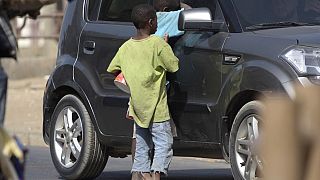
The homeless in Johannesburg South Africa are the most affected by containment measures that have been in place in the country for more than a month.
With these restrictive measures, this very disadvantaged section of the population can no longer count on the generosity of motorists, shopkeepers or pedestrians.
Without any social safety net, the destitute, mostly migrants living on begging, are today in a food and health emergency.
“Our livelihood is centered on street begging. Now that the country is sealed off, it is impossible for us to go out into the streets to look for donations”, 60-year old Zimbabwean migrant, Jethro Gonese said.
Kenneth Kamang, 48, another Zimbabwean said ‘‘Everywhere in town there is no one to beg, so things get very difficult. Everything has become very hard. We live from hand to mouth.”
This week, South Africa announced an increase in social assistance for the poor, the elderly and the disabled, but foreigners are excluded.
According to the United Nations World Food Programme, at least 265 million people worldwide could face food insecurity by the end of the year.
South Africa currently has the highest infection rate in Africa at 4,793 confirmed cases, with 90 deaths.
AP



02:07
Nigeria, South Africa row over compensation for deportees
00:49
Shock in South African football: World Cup star Jayden Adams dies at 25
Go to video
Ramaphosa honors South Africa's WWI fallen in France
01:41
Zimbabweans return home from South Africa amid anti-immigrant tensions
00:55
South Africa World Cup midfielder Jayden Adams dies aged 25
01:07
SA police arrest UK fugitive sought in alleged killings of his wife and 2 daughters