



Namibia
Unions representing Namibian workers have resisted a proposal asking citizens to voluntarily donate 2% of their salaries in a one-off contribution to drought relief.
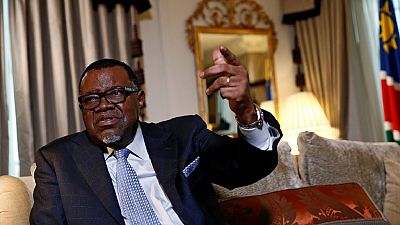
President Hage Geingob officially declared a state of emergency on 6 May, and government has allocated up to N$572.7 million ($39m) to assist drought-affected communities.
While cabinet ministers led the way by confirming their commitment to contribute 2% of their salary for one year, workers are not as enthusiastic.
The secretary general of the National Union of Namibian Workers, Job Muniaro said he does not support the cabinet proposal.
‘‘I don’t even know how they came to 2%. I am definitely against this proposal. But I will go and listen, and then we can decide,’‘ Muniaro said.
Muniaro says Namibians are already struggling to feed their families, as their livelihoods have been battered by the drought.
Teacher’s Union of Namibia (TUN) secretary general Mahongora Kavihuha said it was absurd for the government to resort to the meagre workers’ earnings.
“We have been proposing that the government introduces tax reliefs for water and take on the full payment of water consumption of farmers and their livestock so that farmers only pay the basics,” he said.
The unions say they will not be able to implement the proposal, since they were not consulted before the decision was taken.
International partners including the United States and Russia have pledged humanitarian aid.
Saima Shaanika, the prime minister’s office spokesperson has defended the cabinet proposal, saying the funds raised would also be used to create job opportunities for the youth.






Go to video
Zambia: politician arrested over allegedly faking image of president
00:07
Crisis-levels of hunger in Somalia more than double, say UN-backed experts
00:27
Somaliland looks to Israel for help with water crisis
00:50
Drought in Kenya spreads beyond arid north
00:58
Tens of thousands evacuated in northern Morocco amid heavy rainfall
01:58
Prolonged drought in Kenya leaves millions vulnerable