



South Sudan
South Sudan’s National Bureau of Statistics has said the country’s inflation rate hiked by more than double in July reaching an annual rate of 661.3 percent.
The announcement comes as the young nation is reeling from recent clashes that saw troops loyal to President Salva Kiir and those of former Vice President Riek Machar clash in the capital Juba.
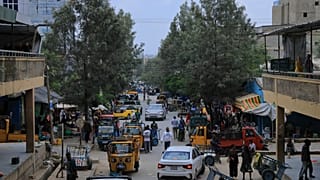
This has led to thousands fleeing the country to neighbouring Uganda and traders have blamed the shortages of basic commodities on blockages on the main trade route to Uganda.
“Everything here comes from Uganda and the road is closed, transportation of the goods to reach here is a problem, clearance is expensive, the road blocks here are expensive so, if we don’t sell our commodities at high prices, there’s nothing we can get,” said Zabibu Daru, a market vendor.
South Sudan majorly relies on oil as the main source of revenue, but the reduced global oil prices have also affected its oil production.
“The prices of oil has gone down, we rely on commodities imported from neighboring countries. So the way out of the crisis in South Sudan is for the government of South Sudan to develop agriculture so that people of South Sudan can feed themselves rather than importing food from outside,” said Andrew Mabior, an economic analyst.
In order to avoid a UN arms embargo, East Africa’s newest country is expected to agree on the number and nationality of UN peacekeepers, after President Salva Kiir approved the deployment of a 4,000-strong regional protection force.




00:53
South Sudan: Kiir opens political dialogue ahead of December elections
11:19
Dangote’s Big Energy Expansion: From Nigerian Refinery to African Powerhouse {Business Africa}
01:03
South Sudan: President dissolves govt as controversy engulfs December poll
01:00
Egypt / China: Top officials meet in Beijing on Friday
01:50
Dangote IPO draws interest from Nigerians keen to invest
01:01
BRICS member states look to technology to help strengthen trade ties