



Sudan
Sudan is grappling with a fuel shortage driven by global oil disruptions tied to the Middle East conflict and by domestic import restrictions.
This has impacted public transport, freight and factory production, while higher transport costs have pushed up food prices for ordinary people.
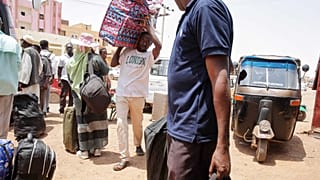
"The movement of goods and people has stopped, and the market is totally paralyzed, we need solutions, not promises," said Khartoum resident Mohamed Hassan.
Prime Minister Kamil Idriss has ordered extra supplies of petroleum products to service stations to ease shortages and improve availability.
A central bank requirement for importers to deposit the equivalent of 200 kilograms of gold has also restricted participation in the import market.
But analysts point to deeper challenges, including the prolonged shutdown of the al-Jaili refinery, foreign exchange shortages, and difficulties financing fuel imports.
Amid the ongoing civil war, the supply crunch has driven a surge in black market fuel trade across government-held areas.


00:55
Oil prices fall as G7 agrees to release 100 million barrels of reserves
01:12
Ethiopia: federal forces advance in Tigray as 52 civilians reported killed
01:13
Dangote's $16bn Kenya refinery 'new chapter' for Africa
01:16
Nigerian oil tycoon Dangote says Africa will be mostly fuel self-sufficient by 2030
01:38
Sudan foreign minister slams US over visa block on army chief
01:05
Sudan rejects Ethiopia’s claims of backing Tigray forces