



Bahamas
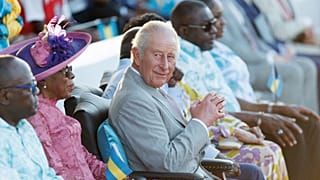
King Charles III’s nine-day tour of the Caribbean is renewing debate over the British monarchy’s historical links to slavery.
At an event in the Bahamas on Wednesday, Charles said the country’s culture was “born out of darkness.” It was “only right,” he said, to acknowledge historic injustices.
But campaigners in the region say the king and his country need to do more, starting with an apology and financial reparations.
"One of the most important things that when I go to the Caribbean, people emphasise what they want is recognition," says Diana Paton, Professor of History at the University of Edinburgh.
"Recognition of this harm that was done to their ancestors and that echoes down the generations, that sort of pain and and also the economic implications of that. So an apology is really important, but also investment in things like education, in health systems."
Others would like to see the king use his Caribbean tour as an opportunity to bring the issue into public discussion and engage in meaningful dialogue with the descendants of enslaved people.
"The King is not only head of the Commonwealth, he's also still the head of a number of Commonwealth realms," says Brooke Newman, an associate professor of history at Virginia Commonwealth University.
"And he is the institutional head of an institution that was involved in the transatlantic slave trade, that essentially expanded the slave trade that profited from it and benefited from it and defended it for centuries without ever officially acknowledging this role. And so I think part of the current issue is that the UK government has made it very clear that they are not interested in discussing reparations and they are not interested in apologizing for slavery. And it doesn't matter if it's a Tory or Labour PM who is currently in charge, they are just not interested in this issue whatsoever.”
But are reparations a matter for the king?
Craig Prescott, an expert on UK constitutional law at Royal Holloway, University of London, said decisions on reparations rest with the British government, rather than the monarch, because any payments would come from public funds and require government accountability to Parliament.
"It's not a matter for the king," Prescott said. "It is the longstanding policy of the government to, yes, note that slavery happened and that it is a stain on British history, but that reparations are not payable.”
Next week, Charles will attend the Commonwealth Heads of Government Meeting and meet with leaders of 56 member states.




01:00
Storm Austen batters France and UK with winds of up to 160 km/h
01:00
Pix of the Day, 22nd October, 2026 - Across the world
01:04
Gambia to compensate Jammeh victims with $2.5m from mansion sale
01:00
UK: Harry and Meghan make high-profile comeback six years after royal exit
01:00
Robot valet parking at Gatwick Airport promises safer, easier long‑stay car storage
00:56
Masked anti-immigration protesters disrupt UK's Dover port