



Ebola virus
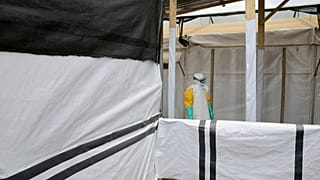
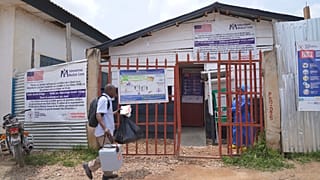
Medical teams in eastern DR Congo are facing brutal conditions as they work to contain the country’s worst recorded Ebola outbreak.
More than 7,000 cases of the virus had been confirmed since the outbreak was declared in mid-May, including more than 3,000 deaths, according to Congolese authorities.
There’s no approved treatment or vaccine for the Bundibugyo strain behind the current outbreak.
"It is not easy, you know to work in my country, to see the community affected by an outbreak like Ebola without specific treatment and to work in this environment with violence, difficult for patients to access healthcare," says Fabrice Ngoyi Nsakalumpu, a Medical Activity Manager with Médecins Sans Frontières. "So we are managing even though it is not easy, but we make the best.”
Eastern DRC is an active conflict zone, making it difficult for health workers to access remote areas and track people potentially exposed to the disease. They also face hostility from some communities, where victims’ relatives want access to their loved ones’ bodies, despite the risk of contagion.
The outbreak has now spread to seven Congolese provinces. But authorities say it may have peaked as infection rates appear to slow.
Uganda, which recorded 20 cases and two deaths, all of them linked to cases imported from the DRC, has been declared Ebola-free.


01:44
Ebola treatment center welcomes community to visit in bid to build trust
01:55
African lab scientists gather in Togo to discuss challenges amid Ebola crisis
00:52
South African President Ramaphosa taken ill after BRICS summit
02:00
Clashes erupt between DR Congo opposition and pro-govt supporters in Kinshasa
00:55
Hundreds in DRC protest against constitutional amendment for 3rd presidential term
00:50
DRC: Copper price rises 0.51% on international markets