



Iraq
It’s one of the world’s largest oil producers but Iraq is running low on fuel.
Drivers in Baghdad wait in long queues to fill their cars with petrol as regional hostilities continue to disrupt supplies.
The country produces millions of barrels of oil every day. But it relies on imports for derivatives like gasoline because refineries don’t produce enough to meet demand.
Baghdad resident Ibrahim Hashem waited for two hours outside a fuel station on Friday without any luck, only to return early the next day hoping to fill his car.
"It is unreasonable that we produce so many barrels of oil a day, yet still do not have enough gasoline to meet our daily needs," Hashem said outside a fuel station in central Baghdad.
"We already suffer from traffic congestion because of the roads and lack of services. Now, it has become worse due to the gasoline shortage," he added.
Iraq's average daily consumption of gasoline is 33 million litres, but demand rises to 38 million when people panic over shortages, according to authorities.
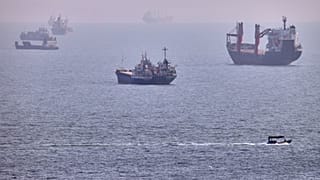
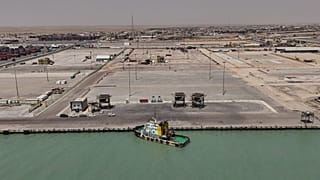
The oil ministry said on Friday that "regional events and the ongoing conflict are causing logistical challenges to tanker traffic, delaying their arrival at Iraqi ports."
Authorities say they’re working to address the shortage and promised new shipments will arrive soon.
In the meantime, they urged citizens to buy only the quantities they need and avoid crowding fuel stations for small amounts of gasoline.
Like other oil producers, Iraq has been greatly affected by the US-Iran conflict, which has choked off the strategic Strait of Hormuz.
Iraq also depends on its oil exports for about 90 percent of its budget revenues. With the closure of the Strait of Hormuz nothing can get in or out.
Before the war erupted in February, Iraq produced around four million barrels per day, and exported an average of 3.4 million bpd, mostly via Hormuz.
After a significant drop, Iraqi oil exports recovered to more than 2.2 million bpd in August, according to the oil ministry.
Last month, Iran's state news agency IRNA said that over the past six months, Tehran has granted permission to "a number of Iraqi oil tankers" to pass through Hormuz.



02:08
In Gabon's capital, filling up with diesel has become daily struggle
01:55
Iran sets up military training camp for volunteers in face of US threats
01:12
Fuel shortage in Sudan drives up prices, burdening ordinary people
00:55
Oil prices fall as G7 agrees to release 100 million barrels of reserves
01:13
Dangote's $16bn Kenya refinery 'new chapter' for Africa
01:16
Nigerian oil tycoon Dangote says Africa will be mostly fuel self-sufficient by 2030