



Kenya
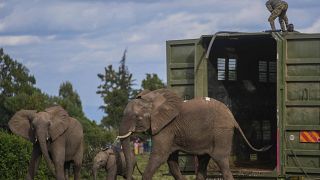
Worries over the death of elephants are mounting in southern Kenya, where at least 19 animals have died since June from an unexplained condition. With symptoms including partial paralysis, conservationists and communities are demanding urgent investigations into what is killing the elephants.
In the Amboseli ecosystem, the sight of another elephant struggling to stand has become painfully familiar.
The latest victim, an 11-year-old male known as Genghis Khan, was found exhausted and struggling to breathe. Vets could offer little more than a glucose injection because the cause of the condition remains unknown.
At least 19 elephants, mostly females and young males, have reportedly died since June, displaying similar symptoms.
A mystery surrounding the deaths
Patrick Papatiti, head of operations for Olgulului communal lands, says the deaths have left local communities searching for answers.
“We have no idea,” he said, noting that hyenas and vultures have fed on the carcasses without showing signs of poisoning.
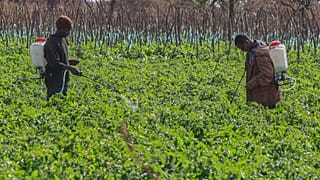
The Kenya Wildlife Service said preliminary toxicology tests detected high concentrations of cyanide in some carcasses, raising the possibility of pesticide poisoning from nearby farms.
But several specialists and local officials have questioned that explanation.
Poisoning theory faces scrutiny
Papatiti believes the evidence points instead to a disease.
Joel Nyika, the Amboseli ecosystem manager for Kajiado County, also dismissed the chemical poisoning theory, arguing that scavengers feeding on the carcasses would likely have been affected.
On August 7, the Kenya Wildlife Service said its findings did not indicate an infectious or transmissible disease.
The uncertainty has intensified calls for a comprehensive investigation.
Communities fear wider impact
The deaths are also worrying farmers living alongside the elephants.
Noah Saatia, a farmer and chairman of the Kimana community, said residents consider the elephants an asset and want authorities to establish what is killing them.
“We don't know what's causing the elephants' deaths, the government needs to investigate,” he said.
Local communities are also concerned that an unidentified threat could eventually affect livestock and, potentially, people.
'How many will die?'
The deaths are particularly sensitive in a region where elephants are central to tourism and the local economy.
AFP journalists saw six elephant carcasses in the Kimana reserve, including a young calf and a pregnant female whose unborn calf also died.
Conservationist Paula Kahumbu has highlighted what she calls a lack of evidence supporting the pesticide theory.
For Papatiti, the priority is not finding someone to blame but discovering the cause before more elephants die.
“How much elephants will die until we will be able to stop?” he asked.
The question now hangs over Amboseli as conservationists and communities wait for definitive answers.



02:20
Emmy-nominated director looks to Tupac trial for long-awaited closure
01:07
Chad's president pardons opposition leader and former prime minister Succes Masra
Go to video
From Research to the Field: Transforming Africa’s Seed Systems
01:56
Zimbabwe's Kariba ferry disaster victims honoured as death toll reaches 44
02:01
Displaced families and hospitals struggle as Sudan's war ravages El-Obeid
00:50
France opens disciplinary proceedings against ambassador to Central African Republic