



Kenya
Farmers bordering Kenya's Amboseli National Park have denied using cyanide after 15 elephants died from suspected poisoning. Wildlife authorities say preliminary tests detected cyanide, but investigations are continuing to determine its source and concentration.
Kenya Wildlife Service (KWS) is investigating the deaths of 15 elephants in Amboseli National Park after preliminary laboratory tests detected cyanide in samples collected from the animals.
Veterinary officials said postmortem examinations found lesions in the lungs and heart, while tomatoes and watermelons were also discovered in the elephants' stomachs. Further quantitative tests are being carried out to determine the amount of cyanide present before investigators draw final conclusions.
KWS says cyanide is not a common ingredient in agricultural pesticides and its source remains unknown.
Farmers deny responsibility
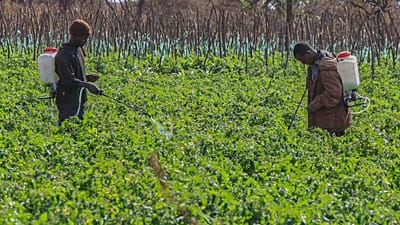
Local farmers strongly reject suggestions that the poison came from crops grown near the park.
They insist they have never used or even seen cyanide in farming and say livestock regularly feed on the same tomatoes without suffering any ill effects.
Farmers also argue they have coexisted with elephants for decades and question why only elephants were affected if the chemicals were linked to normal farming practices.
Conflict at the park's edge
Kimana, a major farming area bordering Amboseli National Park, produces tomatoes, onions and French beans for markets across Kenya, including Nairobi.
The incident has renewed concerns over growing human-wildlife conflict as agriculture expands around protected areas, increasing contact between elephants and farmland.
Search for answers
While cyanide is regulated for industrial uses such as mining, wildlife authorities say there is currently no evidence linking the poison to illegal mining activities inside the park.
Kenya has rebuilt its elephant population to more than 36,000 through anti-poaching efforts, but conflict with people remains the second leading cause of elephant deaths after poaching, according to the country's National Elephant Plan.









Go to video
Meta hit with record $942 million penalty over child safety failures
00:51
Ivory Coast cocoa buyout completed, authorities say
01:16
DR Congo's case against Rwanda moves ahead as World Court sets timetable
01:02
Talon returns to frontline politics as Benin's first Senate president
02:06
Congo isolates 200 river boat passengers as Ebola response intensifies
Go to video
Ghana opposition protests over claims of ‘democracy under attack’