Philippines earthquake: Residents clear debris amid concerns over aftershocks
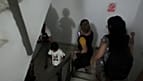
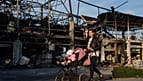
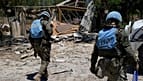
The Philippines continued emergency and recovery operations on 9 June after a powerful magnitude 7.8 earthquake struck off the coast of Mindanao, killing at least 41 people, injuring more than 450 and forcing thousands from their homes. The quake, the strongest to hit the country this year, triggered tsunami warnings across parts of the Pacific before they were later lifted. In General Santos City, one of the areas hardest hit, residents searched through damaged homes and apartment blocks to recover belongings as engineers inspected structures left cracked, partially collapsed or dangerously unstable. Roads, public buildings and utilities were also affected, while power outages were reported across parts of southern Mindanao. At a provincial government hospital in neighbouring Sarangani, patients were moved outside as a precaution against continuing aftershocks. Authorities said more than 450 tremors had been recorded since the main quake, including several measuring between magnitude 6.5 and 6.7, slowing rescue operations and complicating access to some affected communities. Witnesses described walls collapsing, floors splitting apart and water and mud emerging from the ground during the earthquake. Some property owners said buildings near known fault lines may have to be demolished because the soil beneath them has become unstable. The disaster struck on the first day of the new school term for millions of children across Mindanao. Around 3.2 million students have been affected, with classes suspended in more than 6,200 public and private schools after damage was reported to educational facilities. Relief teams and local authorities are now focused on providing shelter, medical assistance and damage assessments as communities begin what is expected to be a lengthy recovery process. Four people remain missing, while officials continue to evaluate the full extent of the destruction across the southern Philippines.