



Mauritania
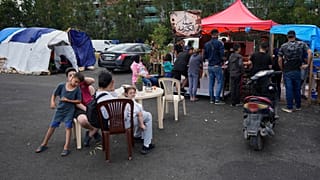
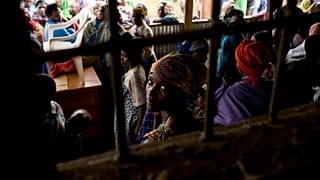
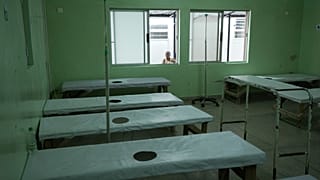
At a healthcare centre in eastern Mauritania, humanitarian teams are treating a steady flow of Malian refugees suffering from both physical injuries and severe psychological trauma.
In the town of Doueinkara, Doctors Without Borders is caring for people who have fled neighboring Mali, where years of violence have forced hundreds of thousands from their homes.
“We are also seeing sexual violence affecting both women and men,” says MSF coordinator Mayoury Savant. “We have also received testimonies of torture. Some people told us they were buried alive.”
Many of the refugees arriving in Mauritania’s Hodh Chargui region have escaped insecurity in northern Mali, where armed groups, military operations and ongoing attacks continue to devastate communities.
Cherifa, whose name has been changed to protect her identity, says the loss of her son remains her greatest pain.
“What I feel most deeply and suffer from at the very core of my being is the death of my son,” she says.
Another refugee, Nedoune, says he hopes to return home only when the violence ends.
“As soon as they stop killing people and destroying their property, I will go back to Mali,” he says. “Even if they spare your life, they burn everything you own.”
For thousands of displaced families, returning home will depend on lasting peace and improved security in their communities.
01:05
Egypt accuses 6 Journalists of terrorism in press freedom crackdown
01:14
Mali: more than 2,400 schools remain closed as insecurity disrupts new school year
01:12
FlyDubai says investigating mid-air pilot fight as Israel alleges terror plot
02:09
Thousands of residents arrive in Waza after Medouga massacres in Makary
02:32
Ohio bike shop offers refuge and community to Mauritanian immigrants
Go to video
At least 50 soldiers killed in jihadist attack on Malian army base