



Iran
The price of a barrel of oil has steadied but at the petrol pump, consumers are still paying the price for the global supply chain disruption.
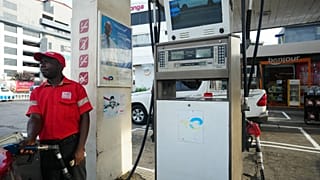
A shock at the pump for drivers, as petrol prices soar. In the US consumers are paying an average $4 a barrel, a 30 percent increase since the US and Israel launched the war against Iran last month.
Diesel is up by 40 percent to $5 a gallon. Used by trucks and trains to bring goods to market, the price hike will soon be reflected throughout the economy.
Oil prices steadied after President Trump indicated that he’s ready to end the war, even if the Strait of Hormuz remains closed.
But analysts say any US ground operation or wider Iranian retaliation could push oil to levels not seen since July 2008, when Brent crude hit almost $150 a barrel.
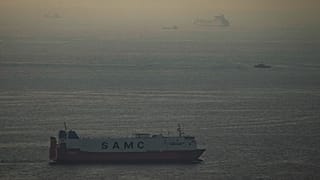
Maritime traffic disruption in the Strait of Hormuz is still at the heart of the problem. One fifth of the world’s oil supply normally passes through the corridor.
Washington says it has “options available” after Iran has effectively set up a toll booth for ships wanting access to the strait.





Go to video
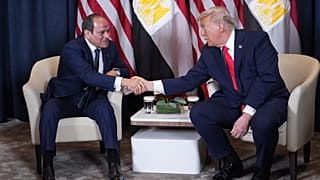
Egypt's President al-Sisi calls on Donald Trump to end the war on Iran
01:52
Egypt business curfew sparks concern among traders and tourism sector
01:30
Demonstrators gather in Dakar to protest Iran war and show solidarity
01:15
Curfews, EVs and ethanol: How African countries are trying to save fuel
02:16
Russia denies intelligence role in Iran’s strikes
01:17
Somalia’s children pay the price as drought, war and Aid cuts collide