



Sudan
After more than two years of conflict, Sudan is facing a deepening energy crisis as the country’s oil production and refining capacity collapse. Fighting has forced the shutdown of major oil fields and refineries, leaving production severely disrupted and crippling the nation’s energy supply.
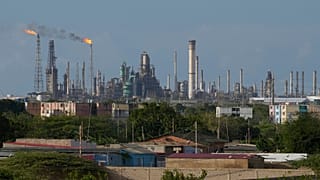
In December, operations at the Heglig oil field, Sudan’s largest, were completely halted, with all staff evacuated amid escalating violence. Attacks have also damaged pipelines, refineries, and storage facilities, including oil depots in Port Sudan, further undermining the country’s ability to process and distribute fuel.
Sudan’s largest refinery near the capital, Khartoum, once supplying most of the country’s diesel, gasoline, and liquefied petroleum gas needs, remains completely shut. The shutdown has forced the country to rely heavily on imported fuel, which is now increasingly expensive and in short supply due to the conflict’s impact on regional supply chains.
According to Sudan’s finance ministry, oil revenues have fallen by more than fifty percent compared to pre-conflict levels, depriving the government of crucial income. Industry experts warn that the lack of refining capacity and continued attacks on infrastructure are creating a severe shortage of fuel, leaving ordinary Sudanese struggling to access essential energy products.
The crisis underscores how prolonged fighting is not only destroying lives and livelihoods but also threatening the stability of Sudan’s most vital industries.

![Senegal stun Morocco in AFCON 2025 final to retain continental crown [Football Now]](https://images.euronews.com/articles/stories/09/61/76/30/320x180_cmsv2_64f668d8-9f3a-50c3-9477-243de96f35d5-9617630.jpg)
01:43
Chad: 7 soldiers killed in reported clash at Sudanese border with RSF
01:04
UN warns food aid in Sudan could run out by end of March
01:51
Sudan's war has left the country's economy shattered
Go to video
Egypt urges end to Sudan 'bloodshed' during peace coordination meeting in Cairo
02:18
Sudan recover hundreds of artefacts looted during the war
01:22
Residents in the Sudanese capital welcome the government's return to the city