



wildlife
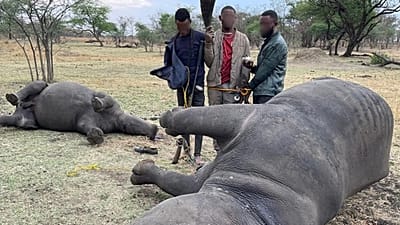
A month-long global crackdown on illegal wildlife trafficking has led to the seizure of nearly 30,000 live animals and the identification of 1,100 suspects, according to Interpol and the World Customs Organization.
The joint operation, known as Operation Thunder 2025, ran from 15 September to 15 October across 134 countries. Police, customs, border agents and wildlife authorities carried out 4,640 seizures, uncovering a record haul of protected animals, plants and illegally logged timber.
Authorities say the findings point to a fast-growing criminal market that now stretches from Africa to Europe, Asia and the Americas.
One of the most alarming trends was the rise in the bushmeat trade, with primate, giraffe, zebra and antelope meat seized in multiple countries. Officials reported a record 5.8 tonnes of bushmeat intercepted worldwide, much of it moving from African countries into Europe.
Marine trafficking also surged. More than 245 tonnes of protected marine species—including thousands of shark fins—were seized.
The operation uncovered a sharp increase in the smuggling of small exotic species, including nearly 10,500 butterflies, spiders and other arthropods, many of them protected under CITES. Interpol warned that removing such species threatens ecosystems and can introduce invasive pests or diseases.
The illegal trafficking of plants also hit new highs, with more than 10 tonnes seized, while illicit timber shipments topped 32,000 cubic metres.
Countries reported major cases across the globe: South Africa seized pangolins and 17,000 abalone; Indonesia confiscated over 10,000 birds and insects; Tanzania recovered more than 100 ivory pieces; Brazil dismantled a wildlife trafficking network; and North American authorities intercepted more than 1,300 primate body parts shipped through the mail.
Interpol chief Valdecy Urquiza said the results show how wildlife crime is now deeply intertwined with other illegal activities, from drug trafficking to human exploitation. The WCO said customs agencies remain the “frontline defence” against the accelerating trade.
Data gathered during the operation will now be used to map global trafficking routes and identify key criminal networks. Authorities say it will help shape future investigations as the illegal wildlife trade continues to grow, despite international bans.





Go to video
Interpol busts global human trafficking network, rescues 4,400 victims
Go to video
Egypt to restrict children’s social media use
Go to video
South African court clears sale of Nelson Mandela artefacts
01:00
Fifa pass launches to help fans travel to US for 2026 World Cup
Go to video
TikTok finalizes a deal to form a new American entity
Go to video
Uganda election violence: Bobi Wine ally arrested