



Zimbabwe
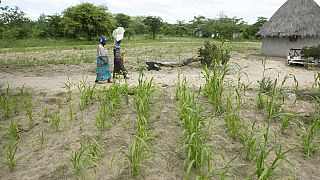
Zimbabwe declared a state of disaster Wednesday (Apr. 03) over a devastating drought that's sweeping across much of southern Africa.
Zimbabwean president Emmerson Mnangagwa president said the nation needs $2 billion for humanitarian assistance.
“Due to the El Nino-induced drought … more than 80% of our country received below normal rainfall," he added in his speech.
“The country's top priority, he said, is "securing food for all Zimbabweans. No Zimbabwean must succumb to, or die from hunger.”
Mnangagwa appealed to United Nations agencies, local businesses and faith organizations.
Similar actions were taken by the governments of neighbouring Zambia and Malawi.
El Nino, a naturally occurring climatic phenomenon that warms parts of the Pacific Ocean every two to seven years, has varied effects on the world’s weather. In southern Africa, it typically causes below-average rainfall, but this year has seen the worst drought in decades.
More than 60% of Zimbabwe’s 15 million people live in rural areas, growing the food they eat, and sometimes small surpluses that can be sold to cover expenses such as school fees. With relatively little participation in the cash economy, many of those won’t be able to buy food even when it's available in markets.
The United Nations’ World Food Program has already rolled out a food assistance program targeting 2.7 million Zimbabweans, nearly 20 percent of the country’s population, from January to March.
Once a regional agricultural powerhouse and grain exporter, has in recent years relied more and more on aid agencies to avert mass hunger due to extreme weather conditions such as heat waves and floods.
"We expect 868 273 metric tonnes from this season's harvest. Hence, our nation faces a food cereal deficit of nearly 680 000 metric tonnes of grain. This deficit will be bridged by imports," president Emmerson Mnangagwa said.
The declaration was widely expected following similar actions by neighboring Zambia and Malawi, where drought linked to the El Nino weather phenomenon has scorched crops, leaving millions of people in need of food assistance.


Go to video
From Research to the Field: Transforming Africa’s Seed Systems
01:00
Soaring stingray numbers off California beaches drive record injuries
01:00
Deadly earthquake in Colombia hits Manizales, damaging cathedral and homes
01:14
WFP warns powerful El Niño could push millions into hunger
00:47
Magnitude 5.5 quake jolts Egypt, triggering emergency response
00:59
Ghana forecasts 16% fall in cocoa production following bad weather and disease