



Haiti
Haiti faces escalating turmoil as criminal gangs tighten their grip on Port-au-Prince, controlling up to 90% of the capital. In the midst of this chaos, Prime Minister Ariel Henry has resigned, signaling a significant development in the country's fraught political landscape.
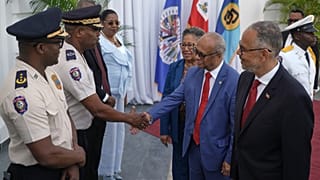
The move follows a gathering of Caribbean nations, UN representatives, and delegates from countries like France and the United States in Jamaica, aiming to find a solution to Haiti's pressing issues. However, Henry found himself stranded in Puerto Rico, unable to return to Port-au-Prince, where he engaged with Caricom members remotely.
Haiti's political landscape has been marred by instability since the assassination of President Jovenel Moïse in 2021, with no subsequent elections held since 2016. Henry, appointed by Moïse, was slated to step down in early February, further exacerbating the leadership vacuum.
Despite efforts to address the crisis, including Henry's agreement in Nairobi to deploy Kenyan police officers to Haiti, the situation remains precarious. Diplomatic discussions in Kingston sought to formalize a proposal urging Henry to transfer power to a transitional council representative of Haitian civil society.
In a statement prior to his resignation, Henry affirmed the government's commitment to establishing a transitional presidential council, highlighting plans for members to be selected in consultation with various sectors of national life.



01:30
UN calls on Haitian authorities to do more to protect civilians
00:32
Former world champion boxer Zolani Tete killed in South Africa
04:46
South African lawmakers question effectiveness of army deployment against gang Violence
00:55
Andy Burnham becomes Britain's new Prime Minister
Go to video
Zimbabwe international Divine Lunga escapes gunfire in Johannesburg
Go to video
Xenophobic attacks: Is South Africa still safe for Africans? (Africanews Debates)