



Chad
Chad accommodates over one million refugees, constituting one of Africa's largest and rapidly growing refugee populations.
Ongoing conflict in neighboring Sudan has propelled hundreds of thousands across the border, exacerbating humanitarian needs while resources to address them are diminishing.
Sudanese refugee numbers in Chad have doubled in the last six months, paralleling the total arrivals over the past two decades since the Darfur crisis in 2003. The refugee influx, particularly from the recent surge near Darfur's border, intensifies tensions between host communities and newcomers in a country grappling with multiple crises.
Chad confronts acute food insecurity and malnutrition, especially among children, worsened by climate challenges, economic pressures, declining agriculture, and intercommunal tensions.
The refugee crisis further strains food-insecure communities, with 2.1 million people facing acute food insecurity in 2023. Chad experiences its worst lean season in a decade, notably in the east since the Sudan crisis. Malnutrition affects 1.36 million children, with 8.6% under 5 suffering and 1.5% severely malnourished, particularly concerning in refugee sites.
Emergency Food Security Assessment in Eastern Chad reveals poor or borderline food consumption in 90% of new refugees, 77% of pre-existing refugees, and 67% of local communities.
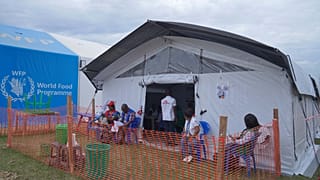
The World Food Programme (WFP) aims to aid 2.85 million people, including refugees, IDPs, and vulnerable locals, through emergency interventions, school feeding, and malnutrition prevention and treatment, including food and cash-based assistance for sudden onset emergencies like floods.






01:51
Threatened by floods, South Sudan Unity state hopes for help from UN
01:02
At least 82 people killed in gold mine collapse in Sudan's West Kordofan
02:01
WFP: More than a million people in South Sudan at risk of losing food aid
01:00
Surge in Yemen violence ends ceasefire and drives mass displacement
01:00
At least two killed and tents destroyed in Israeli strikes on Gaza camps
01:45
No end in sight to Sudan's worsening public health crisis?