



Zimbabwe
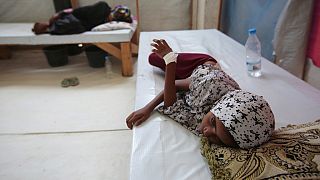
Zimbabwe declared Friday (Nov. 17) a state of emergency in the capital, Harare, over a deadly cholera outbreak.
The capital of some1.5 million people has been badly hit by an outbreak of the disease that has affected all provinces of the southern African nation.
The country has recorded more than 7,000 suspected cholera cases and almost 150 deaths, of which 51 have been confirmed by laboratory tests, since the outbreak was reported in February.
At least 12 people have died in Harare.
The acute diarrhoeal infection is contracted from a bacterium that is generally transmitted through con'taminated food or water.
Washing hands with soap under safe running water and drinking boiled or treated water can protect against cholera.
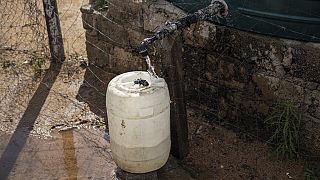
Supplies of drinking water are erratic in some cities in Zimbabwe coupled with a lack of functioning infrastructure.
The health ministry and aid groups have joined forces to double the supply of water in affected areas and carry out awareness campaigns, Harare's mayor Ian Makone said.
Earlier this year, the United Nations said Cholera has experienced a global resurgence since 2021




Go to video
WHO urges caution as West Nile virus spreads across Europe
01:45
MSF says health workers in DR Congo are struggling to prevent Ebola spread
01:47
Funding cuts threaten Africa's progress in fight against disease
01:06
UNAIDS Chief urges Africa to rethink health funding after global aid cuts
02:39
Kenyan grandmothers find health, friendship and purpose through football
01:41
Zimbabweans return home from South Africa amid anti-immigrant tensions