



Ethiopia
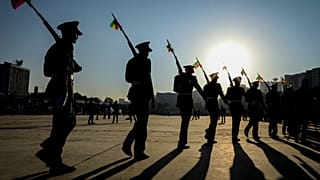
Tigrayan authorities provided images of the Agula camp, located outside of the regional capital Mekelle. There, tanks and heavy weapons were being handed over to the federal forces.
This development is a key enactment of the peace deal signed under the aegis of the African Union last year.
The terms of the November 2 agreement between Ethiopia’s government and the Tigray People's Liberation front party include disarming rebel forces, restoring federal authority in the norther province and reopening access and communications to the region.
The draft said the former warring sides agreed to stop "collusion with any external force hostile to either party."
But the future remains unclear. The Tigray forces have claimed troops from Eritrea were still active in the region and causing destruction.
The African Union envoy helping to mediate the talks, Olesegun Obasanjo, called for the withdrawal of quote on quote "foreign troops."
Access there being restricted, it is impossible to independently verify the situation on the ground.
The precise toll of the conflict, which was largely fought amid media restrictions during nearly two years, is still unknown.
Humanitarian operations have been ramped up since the peace deal, but the amount of food and medical aid delivered remains inferior to the population's needs.


01:28
Ethiopia: Tigrayan women celebrate Ashenda amid fears of new war
01:05
Tigray rebels accuse Ethiopia of drone strikes amid fears of renewed war
01:06
DR Congo says militia linked to Rwanda's genocide agree to surrender
01:03
Ethiopia opposition accuses government of pushing Tigray towards new war
01:38
Ethiopians march against alleged forced mobilisation in Tigray
02:01
One year after Washington peace deal, eastern DRC still waiting for peace