



Kenya
Large swarms of desert locusts are spreading through Kenya, after wreaking havoc in Somalia and Ethiopia, posing a significant threat to food security, the agriculture minister says.
“The first swarm (of locusts) crossed the border in to Kenya from Somalia on 28th December 2019. Other swarms (of locusts) continued coming in from Ethiopia, with additional ones from Somalia,” said Mwangi Kiunjuri, Kenya Minister of Agriculture.
Kiunjuri also said that the government has managed to spray several large swarms of locusts and is currently tracking others with trained officers.
Aerial spraying of desert locusts starts. pic.twitter.com/pSUKghjkvy
— Daily Nation (@dailynation) January 12, 2020
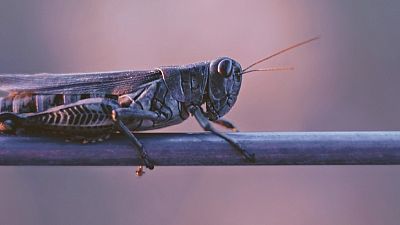
The locusts – part of the grasshopper family – have led to what the Food and Agriculture Organization (FAO) has termed the “worst situation in 25 years” in the Horn of Africa as the region is suffering its worst invasion for decades. Swarms formed in eastern Ethiopia and northern Somalia and have moved through the region, possibly still threatening South Sudan and Uganda.
Locust invasion headache:
Panic grips Mandera County as locusts invade Rhamu. Swarms of locusts descended on onion farms last night. Pests have also arrived in parts of Samburu County.#CitizenWeekend pic.twitter.com/q4FJMcFp7G
— Citizen TV Kenya (@citizentvkenya) January 12, 2020
Locusts can cover as much as 150 kilometers (93 miles) a day and an average swarm will destroy crops sufficient to feed 2,500 people for a year, according to the UN.









01:41
School feeding programme supports children and local farmers in CAR
01:00
Hundreds of farmers rally in Paris against EU-Mercosur pact and import fears
02:16
Madagascar residents gear up for impact of El Niño
01:36
El Niño: Mozambique ranked as one of the 'most vulnerable' African countries
01:56
Zimbabwe farmers seek funds to cash in on China blueberry boom
02:19
Sudanese women preserve bridal henna tradition amid war and water crisis