


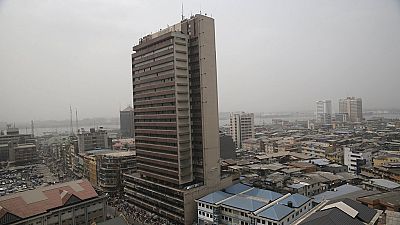

Nigeria
Analysts in Nigeria have welcomed the west African government’s efforts to seek support from the World Bank and the African Development Bank following a massive budget deficit caused by a slump in oil prices.
According to Nigeria’s Ministry of Finance, the country is planning to borrow as much as 5 billion dollars to help fund a budget deficit due to a plunge in vital oil revenues, of which 4 billion U.S. dollars might come from international institutions and the rest from Eurobonds.
Nigeria, Africa’s biggest oil producer, is reeling from the oil price plunge that has slashed vital revenues, and has asked the African Development Bank for a 1 billion U.S. dollar loan to help fund an increased budget deficit.
Analysts have welcomed the move, saying it will help Nigeria’s economic woes. “First and foremost, is it a good idea to borrow? Yes. Is it a good idea to spend and fund your budget deficit thereby stimulating the economy and jump starting it into growth? Yes. Is it a good idea or is it efficient to borrow from the multi-laterals at concessionary rates? It’s an excellent idea. So, all told, this is the best way to go for Nigeria. What are we going to use the proceeds from the borrowing for? Very important question. The proceeds are going to be used to fund projects within the budget which have life span in excess of one year,” said economist Bismarck Rewane.
In a written statement, Nigeria’s Finance Ministry also said Africa’s biggest economy was looking at “options” to borrow from the African Development Bank and export credit agencies such as China Exim Bank “due to their concessionary rates of interest”.
“A deficit budget funded by concessionary loans from the multi-lateral agencies is prudent and cost effective. In other words, you are borrowing at an average rate of 2 percent or 3 percent as against market rate of 12 percent. You are saving Nigeria 900 basis point, right, 9 percent on almost 4 billion dollars. That is significant,” Rewane said.
Nigeria expects a budget deficit of 3 trillion naira in 2016, which is equivalent to $15 billion up from 2.2 trillion naira, or $11 billion, that had been previously estimated.







00:42
IMF-World Bank meetings kick off in Thailand with energy shock, AI on agenda
11:19
Solar emerges as an alternative to Nigeria’s unreliable grid {Business Africa}
00:50
After Kenya, Uganda opens Dangote refinery IPO to domestic investors
01:08
Media reports allege FIFA knew Congo's Mpasi was ineligible for World Cup
02:09
Tinubu's economic reforms draw mixed reactions ahead of Nigeria election
01:41
Nigeria's president hails economic reforms ahead of bid for reelection