



Panama
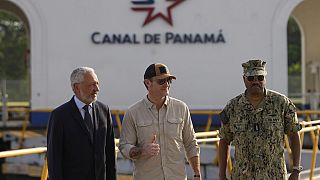
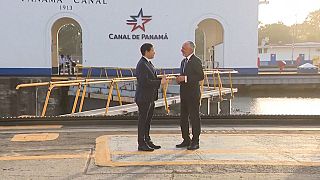
Panama Canal Administrator Ricaurte Vásquez said on Thursday that the conflict in the Middle East and rising fuel costs could ultimately benefit the interoceanic waterway as global shippers seek shorter, safer routes.
In an interview with The Associated Press, Vásquez said that higher energy, fuel, and navigation costs could make the Panama Canal a more attractive option for commercial traffic.
"When costs increase, in general, when the price of marine fuel rises, the Panama Canal becomes a more attractive route,” Vásquez said.
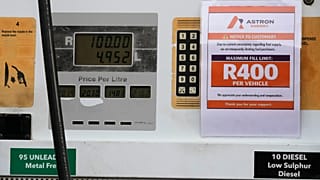
Oil prices have risen amid the war in the Middle East, which has led to the temporary closure of the Strait of Hormuz by Iran in response to U.S. and Israeli attacks.
About one-fifth of the world’s oil passes through the strategic waterway.
If higher energy costs persist, routing cargo through Panama can cut voyages by between three and 15 days, depending on the route, while reducing fuel consumption.
He said higher fuel costs are expected to affect container ships, bulk carriers and tankers transporting liquefied natural gas.
If Middle Eastern supplies are disrupted, shipments may be replaced by other sources, including the United States, which could redirect some LNG cargo from Europe to Asia via Panama.
Gerardo Bósquez, an executive with the Panama Maritime Chamber, said a prolonged conflict could reshape global trade routes, with gas transport among the segments likely to benefit.
Vásquez cautioned that any changes will not be immediate and will depend on how long cargo operators expect the conflict and instability in the Gulf to last.

![DRC: first eurobond draws massive demand [Business Africa]](https://images.euronews.com/articles/stories/09/68/74/15/320x180_cmsv2_e6c8fe85-3bd4-510d-8602-1f1dded2a521-9687415.jpg)



![Mali under pressure as coordinated attacks aim to 'destabilise' state [Interview]](https://images.euronews.com/articles/stories/09/73/76/43/320x180_cmsv2_54fbbabb-e1fa-594c-8bfa-0bfdc83a7d27-9737643.jpg)
01:01
Iran offers to reopen Strait of Hormuz without nuclear deal
01:24
Iran FM in Russia for high-stakes war talks as tensions with US persist
01:36
Iran war shipping disruption impacts medicine availability in Sudan
01:10
Iran targets three ships in Strait of Hormuz escalation
01:20
Trump extends Iran ceasefire, yet blockade enforcement persists
Go to video
Tensions escalate over Strait of Hormuz, Iran says "no plans" to join talks