



Mali
As Mali’s fuel crisis deepens, the United States has joined other nations - including Italy and Germany - in urging its citizens to leave the country quickly.
The US State Department on Thursday ordered all non-emergency employees and their families to depart due to safety risks.
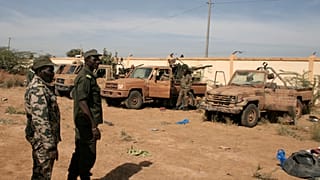
Mali’s military-led government is under immense pressure from al Qaeda-linked insurgents who have been blocking fuel imports since early September.
They have attacked convoys of petrol tankers attempting to enter the landlocked country or reach the capital, Bamako.
Jama’at Nusrat al-Islam wal-Muslimin (JNIM) armed group imposed the blockade in retaliation for the military banning fuel sales in rural areas.
The authorities claim the measure was aimed at cutting off the jihadists' supply lines.
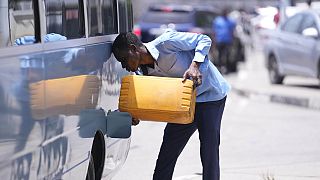
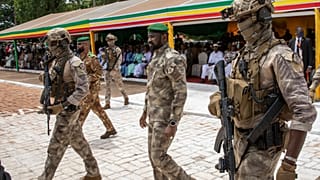
With anger rising among citizens as long queues form at garages, the army says its personnel are now restricted to using three service stations in Bamako and three in Kati.
It said this will allow the military to continue operations to maintain security and stability in the country.
But the decision also aims to reduce tensions at already overcrowded service stations over the petrol shortage and the rising price, which has shot up 500 per cent.
On Sunday, the government ordered the suspension of classes at schools and universities for two weeks due to the shortage, which is also impacting farmers during the harvest period.
It is also exacerbating Mali’s recurring power cuts with electricity supply reduced by Énergie du Mali from 19 to 6 hours a day.
Analysts say the blockade is part of a pressure campaign on the government by the militants who want to cripple the country’s economy.


00:50
UN agencies appeal for help to protect weakest nations from super El Niño
01:48
France's tourism industry fears disruption as more protests planned
01:14
Al-Qaeda and IS rivalry sparks fierce fighting across Sahel
01:13
Burkina Faso's military leader launches new football championship
02:08
In Gabon's capital, filling up with diesel has become daily struggle
01:01
BRICS member states look to technology to help strengthen trade ties