



USA
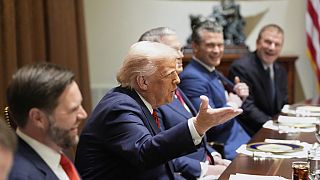
The federal government of the United States has officially entered a shutdown on Wednesday, after the US Senate failed to pass a short-term spending bill on Tuesday night.
This marks the first US government shutdown in about seven years. The latest one lasted 35 days, from late 2018 to early 2019, and was the longest in US history.
This time again, hundreds of thousands of federal employees will be forced to take unpaid leave or work without pay for the duration of the halt.
But a US government shutdown does not only impact American citizens and it could have repercussions beyond the US.
The shutdown could lead to a blackout of economic data, which would impact decision-making for investors worldwide.
Investors will also look for any consequences on the US stock market, as US equities make up around 70% of global market cap.
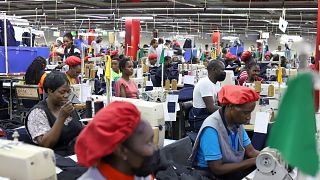
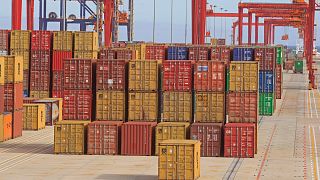
Negotiations efforts on trade or international agreements could also stall. The shutdown comes just a day after the African Growth and Opportunity Act expired.
Many African countries hoped this multilateral US-Africa trade deal could be extended. The shutdown makes short-term negotiations on this issue uncertain.
Travellers expecting US visas could also face longer waits if services are scaled back in US embassies and consulates.
Visitors from overseas should also anticipate travel disruption as airports staff - including air traffic controllers - is likely to be reduced.






02:20
African-American artist’s work celebrated in travelling retrospective
00:51
Nigeria and US sign deal to increase mining investment
02:20
British-Sudanese author writes African history book aimed at children
10:00
Cameroon: Thousands flee the Far North after Boko Haram attack [Africanews Today]
02:36
Cleaner cooking stoves offer hope for 1 billion Africans using wood, charcoal
Go to video
Colossal energy brings veteran investor Warren Irwin on board as Africa strategy advances