



Gaza
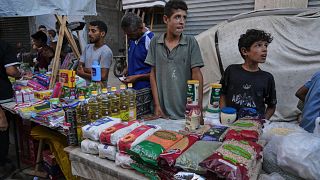
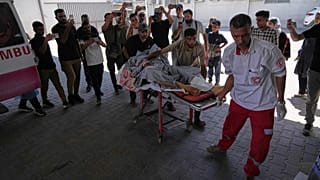
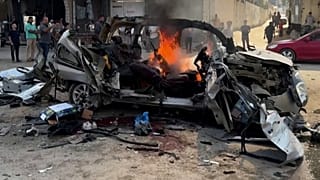
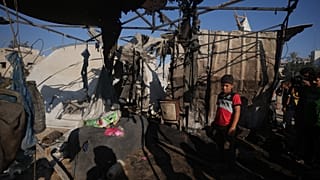
In Gaza, hunger is no longer a threat but a daily reality, especially for children.
Nearly one in five children under the age of five in Gaza City is acutely malnourished, and all are fighting to survive.
The Integrated Food Security Phase Classification (IPC) says the "worst-case scenario of famine is now unfolding in the Gaza Strip."
The alert, still short of a formal famine declaration, follows an outcry over images of emaciated children in Gaza and reports of dozens of hunger-related deaths after nearly 22 months of war.
International pressure pushed Israel to announce measures over the weekend, including daily humanitarian pauses in fighting, and airdrops of aid.
The United Nations and Palestinians on the ground say little has changed in the enclave.
Without basic essentials, hunger could severely and durably compromise children’s health.
"Children, with stunting and wasting, face long-term consequences, including impaired physical growth, weakened immunity, full cognitive development, all of which can have a lasting social and economic impact later in life, way later", said Christian Lindmeier, Spokesperson at the World Health Organization (WHO).
But treating malnutrition is far from simple.
Recovery is a delicate medical process, requiring specific "nutritional supplements to counteract the effects of malnutrition on the body", said James Smith, a doctor and lecturer at University College London.
The IPC said Gaza has teetered on the brink of famine for two years, but recent developments have “dramatically worsened” the situation, including “increasingly stringent blockades” by Israel.




01:35
Thousands forced to flee as Houthis advance on Bab el-Mandeb Strait
01:00
Israeli activists protest outside EU offices in Jerusalem over Gaza war
01:02
Aid cuts leave millions of Somali children facing hunger
01:15
Spanish government creates new migrant shelters to ease Ceuta crisis
00:50
Death toll rises above 100 in Central African Republic mine collapse
01:12
UN flag at half-mast to honour humanitarian workers killed in line of duty