



Democratic Republic Of Congo
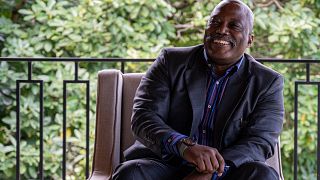
Former Congolese president Joseph Kabila made his first public appearance in Goma on Thursday since arriving in the city last month, amid escalating tensions and ongoing violence in eastern Democratic Republic of Congo.
Kabila, who ruled the country from 2001 to 2019, met with local religious leaders in the rebel-held city. Though he did not speak publicly, the meeting underscored his growing involvement in the region’s search for peace—despite accusations from the government that he is backing the M23 rebel group.
Religious leaders have called on Kabila to step into a mediating role. “As religious leaders, we told him to play the role of arbiter so that peace would return,” said Bishop Joël Amurani. “For 18 years, he built so much that we cannot ignore. This same state still exists for him to get involved so that peace can return.”
Kabila’s reappearance has drawn mixed reactions among Goma residents.
Amani Safari, a gas seller, welcomed his presence. “His arrival in Goma is good because he's as Congolese as any of us,” Safari said. “For us to have peace, we must go through him because he has a very good grasp of the problems the Congolese face.”
Others expressed skepticism. "I don't think Kabila can end the war,” said Alexis Bauma. “He was president of this country a long time ago but he didn't succeed. I don't think that today, when the situation is getting worse, he's coming to end it.”
Kabila’s return to the spotlight comes as the Congolese Senate recently voted to lift his immunity, paving the way for potential prosecution on charges of treason and war crimes—accusations he has dismissed as politically motivated. In a statement last week, he accused the current government of turning into a dictatorship backed by parliament.
President Félix Tshisekedi’s government has repeatedly alleged that Kabila is supporting the Rwanda-backed M23 rebels, who have taken control of key cities in the east. Kabila has denied any links to the group.
Despite a recent commitment to a truce between Congo’s army and the M23, clashes have continued in South Kivu province, further complicating peace efforts.
Kabila, who assumed the presidency after the assassination of his father Laurent Kabila in 2001, led the country through a turbulent period marked by delayed elections and allegations of authoritarianism. His political legacy remains divisive—and his latest moves may deepen the divide.
01:09
Rwanda, DRC agree to "ease tensions" after talks in Washington
07:00
'Abandoned by the world': Congolese rights activist calls for justice, peace and equal respect
02:18
Thousands of DR Congo refugees struggle in overcrowded Burundi camp
01:05
DR Congo authorities begin investigations into drone strike
01:43
UN chief condemns killing of UNICEF worker in DR Congo strike
01:06
French aid worker among three killed in DR Congo air strike