



Burkina Faso
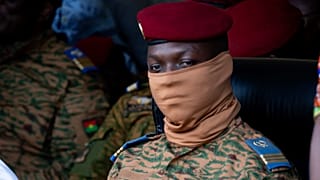
Captain Ibrahim Traoré, who has led Burkina Faso since a 2022 coup, is focusing on economic autonomy to reduce reliance on foreign aid and harness internal resources.
This strategy, aligned with the Alliance of Sahel States alongside Mali and Niger, reflects a push for economic sovereignty.
"This model is based on leveraging internal resources. It has enabled the head of state and his government to prioritise agriculture. But the other key aspect is the industrialisation of our production,” says Hamidou Sawadogo, a professor of monetary and financial economics at the University Joseph KI-Zerbo.
Agriculture is now at the core of economic priorities, with dedicated funding and increased production capacity. The result is that nearly six million tonnes of cereal were harvested in 2024.
However, given the country’s decade-long fight against Islamist insurgents, securing the territory remains crucial.
"Personally, I would recommend further investment in territorial defence to ensure our survival. Once that is secured, we can continue developing our internal growth model," says Sawadogo.
In the meantime, the impact of the new policies is clear. Economic growth is improving, GDP is accelerating, with a 3.7 per cent increase projected for 2024.
However, with persistent security and structural challenges, Burkina Faso must adapt its model to the realities of its development.
![Ethiopia: Federal forces advance in Tigray [Africanews Today]](https://images.euronews.com/articles/stories/09/93/98/57/320x180_cmsv2_7412d83d-5fee-5928-8c56-19f5223adaad-9939857.jpg)

01:00
Pix of the Day, 30 September, 2026 - Across the world
01:11
Burkina Faso opens first gold refinery in push for economic independence
01:00
Egypt / China: Top officials meet in Beijing on Friday
01:50
Dangote IPO draws interest from Nigerians keen to invest
01:01
BRICS member states look to technology to help strengthen trade ties
00:52
Kenya temporary amnesty eases fears among East African migrants