



Nigeria
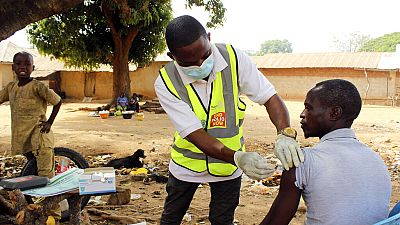
The Nigeria Centre for Disease Control and Prevention (NCDC) has reported fresh cases of Lassa fever, along with 20 deaths spanning 16 states over the course of one week, from February 26 to March 3.
During the ninth week of 2024, the NCDC observed a rise in confirmed cases, with 96 cases recorded in the previous week.
Lassa fever is a severe viral disease transmitted to humans via contact with contaminated food or objects, usually from infected rodents or individuals. Symptoms range from fever, headache, and sore throat to more severe manifestations like bleeding from different body parts.
Despite extensive efforts, Nigeria continues to grapple with new cases and deaths, indicating the ongoing threat posed by Lassa fever. The country recorded a total of 109 cases within one week.
From weeks one to nine, Nigeria documented 682 confirmed cases and 128 deaths, with a case fatality rate of 18.8%, exceeding the rate recorded for the same period in 2023.
The outbreak has affected multiple states, including Ondo, Bauchi, Edo, Benue, Ebonyi, Kogi, Kaduna, Taraba, Enugu, Delta, Jigawa, Adamawa, Anambra, Rivers, Ogun, and Oyo.
The report highlighted that 62% of confirmed cases originated from Ondo, Edo, and Bauchi, with the remaining 38% spread across 24 states.
Most affected individuals fall within the age group of 31 to 40 years, with a slightly higher incidence among males compared to females.
In response to the outbreak, the National Lassa Fever multi-partner, multi-sectoral incident management system has been activated to coordinate a comprehensive response at all levels through the Emergency Operations Centre (EOC).






Go to video
Ebola goes after Congo's children, killing seven daily on average, NGO says
02:15
Mobile labs speed up Ebola testing in eastern DR Congo
01:19
Ebola cases in DR Congo cross 8,000 as EU, US pledge further financial support
02:00
Ebola: Sharp jump in cases in North Kivu while outbreak slows in Ituri
01:44
Ebola treatment center welcomes community to visit in bid to build trust
01:55
African lab scientists gather in Togo to discuss challenges amid Ebola crisis