


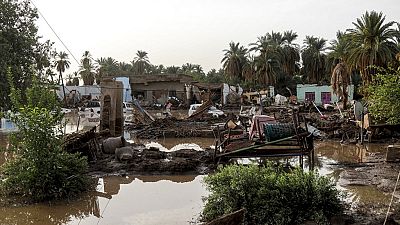

Climate crisis
Climate change could fuel conflicts in countries with the most fragile political contexts and lead to an increase in the number of related deaths, estimates the International Monetary Fund (IMF) in a report published Wednesday.
While climate change is not directly identified as a trigger for war, the IMF considers that it "significantly aggravates conflicts and related difficulties", such as famine, poverty, and forced displacement.
By 2060, conflict-related deaths could increase by 8.5% as a proportion of the population in states experiencing "fragility, conflict and violence" (FCV) and up to 14% in countries facing to an extreme increase in temperatures, the report says.
In total, 39 countries, home to nearly a billion people and 43% of the world's poorest people, are classified as FCV by the World Bank.
More than half of these countries, disproportionately affected by climate change, are in Africa.
More than 50 million people in these countries could in turn suffer from hunger by 2060 due to the decline in food production combined with rising prices, the IMF warned.
Economic losses resulting from climate shocks are more "severe and persistent" in fragile countries than in other countries, the report adds.
A week before the first African Climate Action Summit, the IMF urged leaders in a blog post to come up with solutions for the most vulnerable nations.
“Each year, three times as many people are affected by natural disasters in fragile states than in other countries. Disasters in fragile states displace more than twice the population of other countries,” it said. read on the blog.
According to the IMF, these countries could face 61 days per year where temperatures exceed 35 degrees on average, four times more than elsewhere.
“Extreme heat, and the more frequent extreme weather that comes with it, will endanger human health and hurt productivity and jobs in key sectors such as agriculture and construction,” the report continues. institution.
The summit organized from September 4 to 6 in Nairobi will have the challenge of addressing the climate emergency and future issues related to it for the 1.4 billion inhabitants of the African continent, a first step before the round of negotiations of the climate change scheduled for the United Arab Emirates in November and December.






00:51
Ghana inflation continues to ease in July as food prices fall
11:19
Decoding Nigeria’s crypto shift and transforming diaspora cash into capital {Business Africa}
02:04
Rising lakes in Kenya force communities to flee as wildlife encounters increase
01:14
WFP warns powerful El Niño could push millions into hunger
00:59
Ghana forecasts 16% fall in cocoa production following bad weather and disease
02:18
Tunisia: Power cuts amid heatwave leave residents and businesses struggling