



Turkey
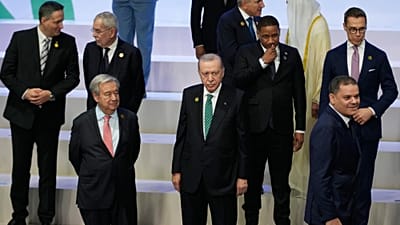
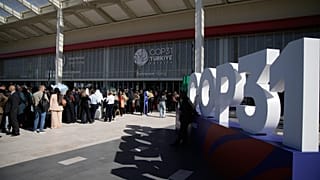
Leaders of Australia and Ethiopia both highlighted the importance of supporting developing nations with the challenge of adapting to climate change. Australia is leading negotiations at a time of fears that the world is not moving quickly enough, as Turkey is hosting the event.
Australian Prime Minister Anthony Albanese said that wealthier countries must support pacific island nations which are already heavily impacted by climate change. "We must share the opportunities that climate action creates with the people who need the most to adapt and thrive, the most vulnerable countries need capital. We must ensure that they get it," added Albanese.
When it comes to climate change, many of the world’s island nations have banded together to be heard better. Their voices play the role of a conscience to a warming world, pleading to stop carbon pollution before it’s too late.
Abiy Ahmed, Prime Minister of Ethiopia, echoed similar sentiments, saying that Ethiopia, and other countries, need financing that is accessible and fair. "High borrowing costs limit countries' capacity to invest in resilience. Lowering them is a test of our collective credibility," he added.
Turkey and Australia, which are presiding over the climate talks this year, were ranked among the worst performers on reducing planet-heating emissions. Scientists say global warming is likely to exceed 1.5 degrees Celsius (2.7 degrees Fahrenheit) above preindustrial levels of the early 1800s.
Limiting temperature rise to that threshold was a goal set during the 2015 Paris Agreement and has been a focus of international negotiations.

00:56
Ethiopia's coffee exports fetch more than $870 million
02:12
Up to 50,000 Ethiopians flee to Kenya as clashes escalate
02:31
Ethiopia: Reusable sanitary pads help girls break the silence around menstruation
01:09
Thousands of Ethiopian Jews mark holy day of Sigd in Jerusalem
02:11
'Fighting won't stop': Ethiopia clashes drive thousands into Kenya
00:45
Niger signs cooperation deal with military leader in eastern Libya