



Kenya
Mary Wambui, Lenah Kanywa’s 10-year-old daughter, was killed three years ago. She’d been playing outside in the afternoon.
When Mary didn't come home, her mother and older sister went to look for her at the place she’d last been seen by a neighbour - the house of the landlord's adult son.
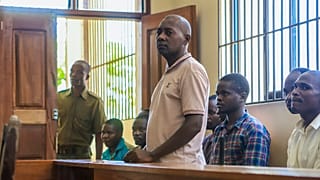
He is now facing trial for having assaulted and murdered the little girl.
“When I shone light under the bed, I saw Mary`s leg. I screamed. When I pulled her from under the bed, I saw my daughter had been stabbed with a knife,” said Lenah.
Cases like Mary's are far too common.
The United Nations says one in five women are killed in Kenya every day, but that many cases remain unreported or misclassified, masking the true extent of the crisis.
There is also growing concern about the increase in gender-based violence.
In January 2024, a report by Africa Data Hub and Africa Uncensored showed a record number of femicides in the previous year. It brought thousands of people to the streets in protest.
In response, the government established a task force to address the rising numbers and has since held town hall meetings to investigate the issue.
Njeri Migwi is the founder of Usikimye, one of the most vocal NGOs in Kenya on the topic.
She thinks the government needs to support women at a more fundamental level, the point where crimes are being reported.
“We need to have a lot of psychosocial support, all the way from the minute you report to the police station,” she said.
Migwi said trauma victims should not be received by a police officer.
“They should be a psychologist who walks you through your trauma. And then by the time you`re able to speak up, you`re able to report properly,” she said.
To increase awareness about femicide and gender-based violence, her NGO organised an exhibition which they've been taking around Kenya.
The symbolic bloodstained dresses, the cold, uninviting gender desk at the police station, and a grave to honour the victims are hard to stomach.
But the real experiences are even more jarring.
Mary's mother shared her story at the opening and said the support and counselling she’s received has helped.
**“**I started speaking to people. I never used to tell people anything. I just stayed silent because I had so much pain inside. When I met the other women, they all had issues, some even bigger than mine. And so I saw I was not alone,” she said.
After three long years, Mary’s case is finally in court and Lenah hopes for some sort of justice. But the pain of losing a child will stay with her forever.

00:56
Road collision involving fuel tanker causes huge fire in Nairobi
01:38
Donald Trump's 'Board of Peace' launched amid fears it will rival UN
01:19
Kenyan police unit comes under fire in Port-au-Prince
01:33
World court says atrocities spreading across Sudan's Darfur region
00:01
Uncertainty in Uvira as M23 rebels again announce withdrawal from eastern DRC city
01:22
Residents in the Sudanese capital welcome the government's return to the city