



Iran
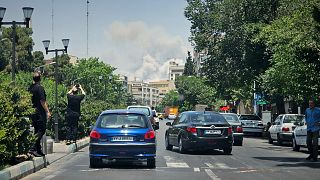
Tehran residents said they were deeply worried about the return of United Nations sanctions and a nosediving local currency. The sanctions over Iran's nuclear programme were reimposed on Saturday at midnight.
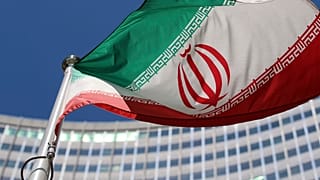
The sanctions, suspended under an agreement with world powers in 2015, were reimposed early on Sunday morning over Iran's continued nuclear programme and failed talks between the country and Western powers.
Iran's regime reacted promptly and called the sanctions "unjustifiable".
Residents on Saturday said they feared sanctions would deteriorate the already ailing economy, which has been hard hit by US sanctions and a "maximum pressure" campaign.
Britain, Germany and France activated the so-called "snapback" mechanism in August, after talks with Iran over its nuclear and missile programs failed to result in an agreement.
The activation of the "snapback" mechanism is followed by a 30-day period in which diplomatic measures can be taken to prolong the non-imposition of sanctions. As no diplomatic agreement was reached, the sanctions came once again into effect overnight from Saturday to Sunday.
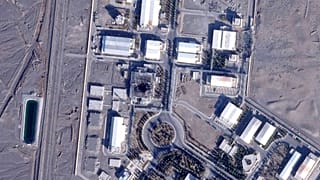
UN inspectors have not been allowed to visit Iran's nuclear sites attacked by Israel and the United States in June, and the fate of Iran's enriched uranium stockpile remains unclear.
Iranian officials have been trying to downplay the possible impact of the development, saying the US sanctions already in place are much tougher than the sanctions being restored.



01:14
UN calls on both authorities in Libya to protect rights of migrants
01:03
Goma residence not optimistic about peace as MONUSCO chief visits
01:29
United Nations wants 'security guarantees' to monitor DR Congo ceasefire
00:51
South Africa to withdraw troops from UN mission in DR Congo
00:49
Iran, US prepare for talks in Oman
00:57
Experts warn famine conditions spreading in Sudan's Darfur region