



Togo
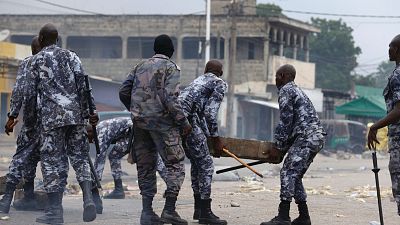
Protests are set to continue in Togo this Friday, following the government's adoption of a new constitution that allows long-time leader Faure Gnassingbé to remain in power indefinitely, now in the role of prime minister. At least five demonstrators have died in recent weeks during confrontations with security forces in the capital, Lomé.
The new constitutional framework, introduced in early 2024 without a public referendum, transfers all executive authority to the prime minister and reduces the presidency to a ceremonial role. Faure Gnassingbé, who has ruled since 2005, was officially installed as prime minister in May. The new president, 86-year-old Jean-Lucien Savi de Tové, was selected by the legislature.
Critics say the changes allow Gnassingbé to retain control without facing future elections. The Union pour la République (Unir) party, which dominates the national assembly, remains firmly in power due to electoral boundaries that favor its northern support base.
Protests have largely been led by young people, artists, and online activists, rather than the traditional opposition, which performed poorly in recent local elections. Government officials maintain the election was fair and argue that demonstrations must remain lawful.
Opposition groups and activists continue to call for reform and transparency.



02:00
Police: "only a matter of time" before femicide perpetrators brought to justice
01:06
Tenth woman's body found in South Africa, three suspects arrested
01:17
Surviving Nigerian miners recount ordeal in detention after 37 deaths
01:00
Missile-shaped signs and Netanyahu masks as Israelis rally to protect October vote
02:27
Gambian businesses struggle under prolonged blackouts
01:55
African lab scientists gather in Togo to discuss challenges amid Ebola crisis