



Ivory Coast
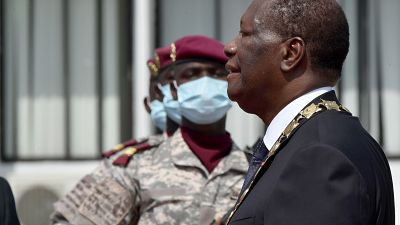
The Ivory Coast's government and representatives from the opposition have met for a National Dialogue to discuss ways to end the political unrest that has gripped the West African country for months.
Discussions started on Monday in Abidjan and focused on the recommendations of the Economic Community of West African States, which called for reforming the country's electoral commission before next year's legislative elections.
Prime Minister Hamed Bakayoko said he hoped that the participants would unite around "the essential values which underpin the capacity of a country to maintain its progress towards development and ensure the well-being of its populations."
"There is a desire for peace on both sides," the new minister for national reconciliation, Kouadio Konan Bertin, said.
Deadly clashes
Tensions mounted over the October 31 election, which saw a boycott and a call for civil disobedience from the opposition after President Alassane Ouattara pushed through measures to change the constitution, allowing him to run for a third term.
Ouattara won the vote by a landslide.
Opponents say the election result was illegal. But Ouattara, 78, says he maintained the approval of a new constitution in 2016, allowing him to restart his mandate.
Around 85 people were killed in election-related clashes, raising fears of a repeat of the civil war after the 2010 vote, which saw around 3,000 people killed in ethnic clashes.
Ouattara met opposition candidate Henri Konan Bedie in November in a bid to quell tensions. He also called for dialogue on December 14 during his inauguration speech.
Georges-Armand Ouegnin, head of a coalition called Together for Democracy and Sovereignty, which is close to former president Laurent Gbagbo, said Monday's talks focussed on demands for an "independent electoral commission," which the opposition says is currently controlled by the government.
"I think that all problems will be broached during these discussions - we want to have discussions but in a calm atmosphere," Ouegnin said.
He said another issue being discussed was the release of political prisoners and the return of exiles.
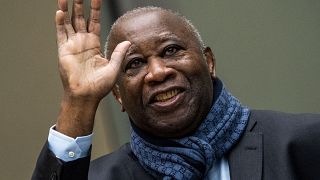
Gbagbo,75, was ousted in 2011 after refusing to concede defeat to Ouattara following the 2010 election. He was tried on charges of crimes against humanity by the International Criminal Court (ICC) in The Hague but was acquitted in 2019.
![Review of 2020 African polls [2] – Togo, Ivory Coast, Guinea, Ghana etc.](https://static.euronews.com/articles/stories/05/17/30/92/320x180_cmsv2_1ea47918-21de-541b-a9c3-0a569fb020af-5173092.jpg)
01:50
Ivory Coast looks to 'national champion' firms to lead economic development
00:59
Pix of the Day, 9 July 2026
11:17
Can OPEC-style alliance help Ghana, Ivory Coast beat cocoa slump? [Business Africa]
00:53
Former Ivory Coast defence minister released after 'terrorism' charges
01:43
Vote counting underway following Algeria's parliamentary elections
00:51
Tanzania deploys security forces to major cities ahead of planned protests